- tomarrakechdeserttours@gmail.com
- +212702431727

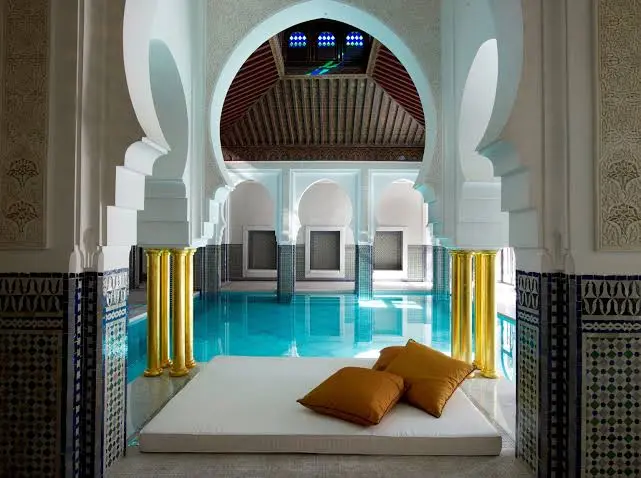
Stepping into a traditional bathhouse is one of the most immersive cultural and wellness experiences you can have in North Africa. Beyond simple personal hygiene, discovering what is a hammam opens the door to centuries of social history, deep exfoliation, and a restorative self-care ritual that rejuvenates both body and mind.
Originating as a public adaptation of ancient Roman baths across the Islamic world, the steam house quickly evolved into a central pillar of neighborhood life. If you are wondering what is a hammam in morocco, it serves as a weekly gathering space where locals of all ages come to socialize, unwind, and cleanse their skin using natural, age-old remedies like olive-based black soap (savon noir) and mineral-rich clay (rhassoul).
Today, travelers can experience everything from authentic local neighborhood bathhouses to luxurious wellness retreats. Whether you are curious about traditional public rituals or looking to book a tranquil session at a modern what is hammam spa resort, this comprehensive guide breaks down the culture, step-by-step process, and etiquette of this timeless North African tradition.
Understanding what is a hammam in morocco starts with recognizing its dual role as both a sacred cleansing ritual and a vital social center. Found in every neighborhood across the country, often built right alongside the local mosque and bakery, the public bathhouse provides a warm, steam-filled sanctuary where community members gather weekly to wash away the physical dirt and stress of daily life.
The core experience relies on a progression through heated rooms, where natural Moroccan ingredients like olive-oil black soap (savon noir) and coarse kessa scrubbing gloves are used to deeply exfoliate the skin. Whether you step into a rustic neighborhood bathhouse or a refined luxury retreat, knowing what is a hammam means embracing an ancient wellness tradition designed to detoxify the body and nourish the skin from head to toe.
Marrakech: Famous for luxury luxury spa conversions (riads) combining traditional steam treatments with relaxing Argan oil massages.
Fes: Known for deeply historic, centuries-old public hammams hidden within the labyrinthine UNESCO-listed Medina.
Essaouira: Offers coastal bathhouse experiences featuring coastal sea-salt scrubs and localized mineral treatments.
Chefchaouen: Features cozy, mountain-town hammams perfect for unwinding after hiking the surrounding Rif mountains.
Understanding what is hammam spa treatment involves knowing how the process unfolds inside the heated chambers. Whether you visit a traditional public bathhouse or a private luxury spa, the core cleansing sequence follows a centuries-old structure:
Acclimatization in the Warm Rooms: You progress through a series of connected stone rooms, moving from warm (wastani) to hot (skhoun), allowing the ambient steam to open your pores and loosen dead skin cells.
Application of Savon Noir: Your attendant (or you, in a public setup) coats your skin in warm water and applies savon noir, a dense black soap made from crushed black olives and olive oil. You rest for 10–15 minutes while the soap softens the skin.
Deep Exfoliation (Gommage): Using a coarse, textured mitt called a kessa, the attendant vigorously scrubs your body in long strokes. This process visibly rolls away dead skin and impurities, leaving your skin completely refreshed.
Purifying Mud Mask (Rhassoul): Mineral-rich Atlas clay infused with rosewater or eucalyptus is applied to your skin and hair, absorbing toxins and restoring natural skin balance.
Final Rinse & Hydration: A thorough rinse with warm bucket water washes away the clay, followed by a light application of pure Argan oil to deeply moisturize and lock in hydration.

A major reason travelers search for what is hammam spa treatments is the reliance on 100% natural, locally sourced Moroccan beauty ingredients. Rather than modern synthetic chemicals, the traditional ritual relies on age-old botanical formulas to clean, exfoliate, and protect the skin.
Ingredients & Origin: A dark, gel-like paste made from crushed black olives, olive oil, and potassium hydroxide.
Function: Rich in Vitamin E, it deeply cleanses and softens the skin without stripping away natural oils, preparing the body for deep exfoliation.
Design: A durable, rough-textured fabric mitt designed specifically for the gommage (scrubbing) stage.
Function: Works alongside savon noir to physically lift away dead skin cells, boost blood circulation, and leave the skin extraordinarily smooth.
Origin: A organic mineral clay mined exclusively from ancient beds within Morocco’s Atlas Mountains.
Function: Mixed with rosewater or orange blossom water, this purifying mud mask absorbs excess oils, detoxifies pores, and conditions both skin and hair.
Argan Oil: Extracted from the kernels of endemic Moroccan Argan trees, this lightweight oil is massaged in at the end of the session to restore deep hydration.
Organic Rosewater: Distilled from the famous Valley of Roses (Kelaat M’Gouna), it is sprayed over the face and body as a soothing, fragrant toner to close pores after heat exposure.
Navigating a traditional bathhouse for the first time can feel intimidating, but understanding basic social customs ensures a smooth and comfortable experience. Knowing what is a hammam etiquette-wise helps you blend in effortlessly, whether you visit a local public neighborhood bathhouse or a private spa retreat.
Public Hammams: Total nudity is generally frowned upon. Women typically wear bikini bottoms or underwear, while men wear swim trunks or boxers.
Private Luxury Spas: Spas often provide disposable underwear, robes, and slippers, allowing you to relax comfortably throughout your session.
Gender Separation: Public hammams are strictly segregated, either operating with completely separate entrances/facilities for men and women or using alternating operating hours for each gender.
Respect Personal Space: Keep your voice low to preserve the relaxing atmosphere of the steam chambers.
Mind the Water Use: In public hammams, water is bought by the bucket. Be mindful not to splash others or waste warm water.
Tipping Culture: Tipping your attendant (tayaba for women, kiyass for men) is standard practice. Plan to leave a tip of around 20 to 50 MAD in public bathhouses, or 10–15% in private luxury establishments.
Hydrate Well: Drink plenty of water before and immediately after your session, as the high heat and steam cause heavy sweating.
Skip Shaving: Avoid shaving or waxing right before your visit, the coarse exfoliation glove (kessa) can irritate freshly shaved skin.
Relax Afterward: Allow time after your treatment to sit in the cooling room, sip warm mint tea, and let your body temperature normalize before stepping back outside.

Discovering what is a hammam goes far beyond booking a standard spa treatment, it is an invitation into the heart of Moroccan wellness and cultural tradition. Whether you choose the rustic, community-driven atmosphere of a local neighborhood bathhouse or the tranquil pampering of a boutique luxury retreat, this ancient ritual leaves your skin glowing, your muscles relaxed, and your mind completely refreshed.
By incorporating natural ingredients like olive-rich black soap, mineral-laden Atlas clay, and hydrating Argan oil, the traditional bathhouse offers a holistic cleanse that has stood the test of time. As you plan your trip, keep this quick checklist handy to ensure your first experience is seamless and deeply relaxing.
What to Pack:
Clean change of underwear or swim bottoms (for public bathhouses).
A personal kessa scrubbing glove and black soap (if visiting a non-serviced public hammam).
Small travel bottle of shampoo/body wash and a plastic mat to sit on.
Small towel and a bottle of drinking water for hydration.
Timing & Booking:
Public Hammams: No booking required; check gender hours in advance (often men in early morning/late night, women during the day).
Private Spas: Book 1–2 days in advance, especially during peak travel seasons in cities like Marrakech or Fes.
During the Session:
Allow your body 10–15 minutes in the hottest steam room to sweat before starting the scrub.
Communicate with your attendant (tayaba or kiyass) if the scrubbing pressure is too intense.
Post-Care Routine:
Moisturize with pure Argan oil after your final rinse.
Rest in the lounge, sip fresh mint tea, and avoid rushing directly out into cool air.
Carry cash in local currency (MAD) for attendant tips.
To Marrakech Desert Tours is a professional team dedicated to showing you the very best of the Moroccan desert. We offer high-quality tours with expertly designed programs to give you an unforgettable experience.
ToMarrakechDesertTours.com is a group of local experts who love sharing the authentic beauty of Morocco.
Our services are tailored for everyone, offering amazing adventures that fit any budget perfectly.
⇢ Booking directly with a local team saves you time, money, and stress, and makes sure every part of your trip is well organized.
⇢ Our guides and drivers are passionate about Morocco and love sharing its culture, history, and landscapes with our guests.
⇢ Every tour is private and flexible, so we can adapt the route, the pace, and the activities to your wishes.
© 2026 TO MARRAKECH DESERT TOURS. ALL RIGHTS RESERVED.