- tomarrakechdeserttours@gmail.com
- +212702431727

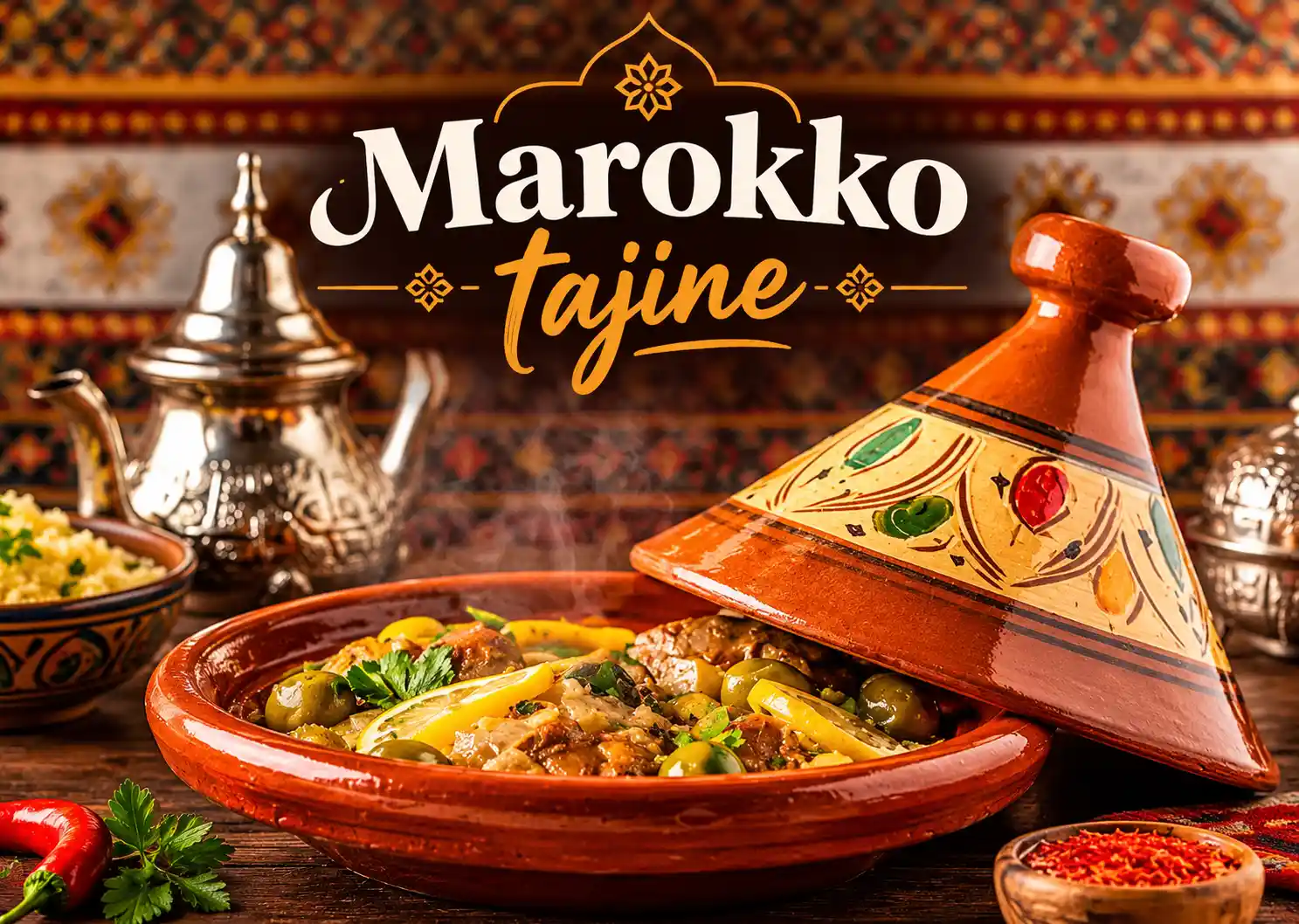
Few foods represent a country as perfectly as Morocco Tajine represents Morocco. Slow-cooked, fragrant, and full of flavor, this dish has become one of the most recognized symbols of Moroccan cuisine around the world, loved by locals and travelers alike.
In this guide, we will explore everything about Morocco Tajine, from its unique cooking pot to its most popular recipes and where to find the best versions during your trip. Whether you already love this dish or are trying it for the first time, this guide will help you understand why Morocco Tajine holds such a special place in Moroccan culture.
Let’s dive into the delicious world of Morocco Tajine!
The word “tajine” actually refers to two things: the special clay cooking pot used to prepare the dish, and the flavorful stew-like meal cooked inside it. When people talk about Morocco Tajine, they are usually referring to this slow-cooked combination of meat, vegetables, and spices, all simmered together until tender.
Unlike quick-cooked meals, Morocco Tajine relies on long, gentle cooking, which allows the flavors of the spices and ingredients to blend together fully. This slow process is part of what makes the dish so rich and satisfying, with every bite carrying layers of flavor built up over time.
Because it can be made with so many different ingredients, Morocco Tajine is less a single recipe and more a cooking style, with countless variations found throughout the country.
This basic understanding sets the foundation for appreciating everything else about Marokko Tajine.
The tradition of cooking Morocco Tajine dates back many centuries, developed as a practical solution for cooking in regions where fuel and water were often limited. The pot’s unique shape allowed food to cook slowly using minimal heat while trapping moisture inside.
Over generations, different regions of Morocco developed their own variations of Morocco Tajine, using local ingredients available in each area. Coastal regions often included seafood, while mountain and desert communities relied more heavily on lamb, chicken, and preserved ingredients like lemons and olives.
This long history explains why Morocco Tajine today reflects such a wide range of flavors and ingredients depending on where in the country you happen to be eating.
This regional diversity remains one of the most exciting parts of exploring Marokko Tajine today.
A big part of understanding Morocco Tajine involves looking at the cooking pot itself. Traditional tajine pots are made from clay, featuring a flat, round base and a distinctive cone-shaped lid that plays a key role in the cooking process.
As the dish cooks, steam rises inside the cone-shaped lid, condenses, and drips back down onto the food below. This natural cycle keeps the ingredients moist throughout the long cooking process, without needing to add large amounts of extra liquid.
Many tajine pots are also beautifully decorated, especially those used for serving rather than cooking, turning a simple kitchen tool into a piece of traditional Moroccan art displayed proudly at the table.
This clever, simple design is central to what makes Marokko Tajine so flavorful and tender.
One of the most famous versions of Morocco Tajine is chicken cooked with preserved lemons and olives. This combination has become a signature dish, often served to guests and considered a true representation of traditional Moroccan flavor.
The preserved lemons add a tangy, slightly salty flavor that pairs beautifully with tender, slow-cooked chicken, while green or purple olives add a subtle richness to the dish. Warm spices like ginger, turmeric, and saffron are commonly used to complete the flavor profile.
This particular version of Morocco Tajine is often one of the first dishes recommended to travelers trying Moroccan food for the very first time.
This dish beautifully showcases the balance of flavors found throughout Marokko Tajine cooking.
Beyond chicken, lamb is another extremely popular protein used in Morocco Tajine, especially in mountain and rural regions. Slow-cooked lamb becomes incredibly tender, often paired with root vegetables, prunes, or almonds for a slightly sweet and savory combination.
Vegetarian versions of Morocco Tajine are also widely available, typically featuring a colorful mix of seasonal vegetables like carrots, potatoes, zucchini, and chickpeas. These versions are just as flavorful, relying on the same slow-cooking method and rich spice blends.
This flexibility means that Morocco Tajine can easily suit a wide range of dietary preferences without losing any of its traditional character.
Spices play an essential role in creating the deep, complex flavors found in Morocco Tajine. Common spices include cumin, ginger, turmeric, cinnamon, and paprika, often combined in careful proportions passed down through family recipes.
Saffron, though more expensive, is also used in many traditional recipes, adding a subtle floral note and beautiful golden color to the dish. Fresh herbs like cilantro and parsley are typically added toward the end of cooking, brightening the overall flavor.
This thoughtful blend of warm, earthy spices is what gives Morocco Tajine its distinctive, unmistakable taste, setting it apart from other slow-cooked dishes around the world.
These carefully balanced spices are truly the heart and soul of Marokko Tajine.
Traditionally, Morocco Tajine is cooked slowly over low heat, whether on a charcoal stove, open flame, or modern stovetop. This slow method typically takes one to two hours, allowing the ingredients to fully absorb the spices and become tender.
Once cooked, the tajine pot is often brought directly to the table, still steaming, and opened in front of guests to release its rich aroma. This presentation style adds a sense of occasion and hospitality, which is deeply important in Moroccan culture.
Morocco Tajine is typically served with fresh bread, used to scoop up the flavorful sauce, rather than eaten with utensils, making it a warm and communal dining experience shared among family and friends.
While Morocco Tajine can be found throughout the entire country, certain places offer especially memorable versions of the dish. Small family-run restaurants, often called “maisons” or simple local eateries, frequently serve some of the most authentic and flavorful tajines.
Desert camps and mountain guesthouses also offer wonderful opportunities to try Morocco Tajine cooked using traditional methods, often prepared over an open fire beneath the stars. These settings add an extra layer of atmosphere to an already delicious meal.
For travelers wanting a deeper connection to the dish, some cooking classes even allow visitors to prepare their own Morocco Tajine from scratch, learning directly from local chefs.
Exploring these different settings offers a truly complete way to experience Marokko Tajine.
Marokko Tajine, known internationally as Morocco Tajine, represents far more than just a meal, it reflects centuries of tradition, resourcefulness, and hospitality that continue to shape Moroccan culture today. From the clever design of the clay pot to the rich blend of spices inside, every element of this dish tells a story.
Whether you try a classic chicken version with preserved lemons, a hearty lamb variation, or a colorful vegetarian option, Marokko Tajine offers an unforgettable taste of the country’s culinary heritage.
At To Marrakech Desert Tours, we love introducing travelers to authentic Morocco Tajine throughout our journeys, from cozy riads to desert camps under the stars. Let us help you taste this incredible dish as part of your next Morocco adventure.
Morocco is not a country you just see, it is a country you feel. It is the taste of mint tea under a starry night sky, the vibrant colors of the ancient medinas, and the breathtaking silence of the Sahara desert dunes.
Don’t let fear or mixed online forums hold you back from experiencing one of the most beautiful cultures in the world. Approach this country with an open heart, clear boundaries, and a curious mind, and Morocco will reward you with an unforgettable adventure.
To Marrakech Desert Tours is a professional team dedicated to showing you the very best of the Moroccan desert. We offer high-quality tours with expertly designed programs to give you an unforgettable experience.
ToMarrakechDesertTours.com is a group of local experts who love sharing the authentic beauty of Morocco.
Our services are tailored for everyone, offering amazing adventures that fit any budget perfectly.
⇢ Booking directly with a local team saves you time, money, and stress, and makes sure every part of your trip is well organized.
⇢ Our guides and drivers are passionate about Morocco and love sharing its culture, history, and landscapes with our guests.
⇢ Every tour is private and flexible, so we can adapt the route, the pace, and the activities to your wishes.
© 2026 TO MARRAKECH DESERT TOURS. ALL RIGHTS RESERVED.