- tomarrakechdeserttours@gmail.com
- +212702431727

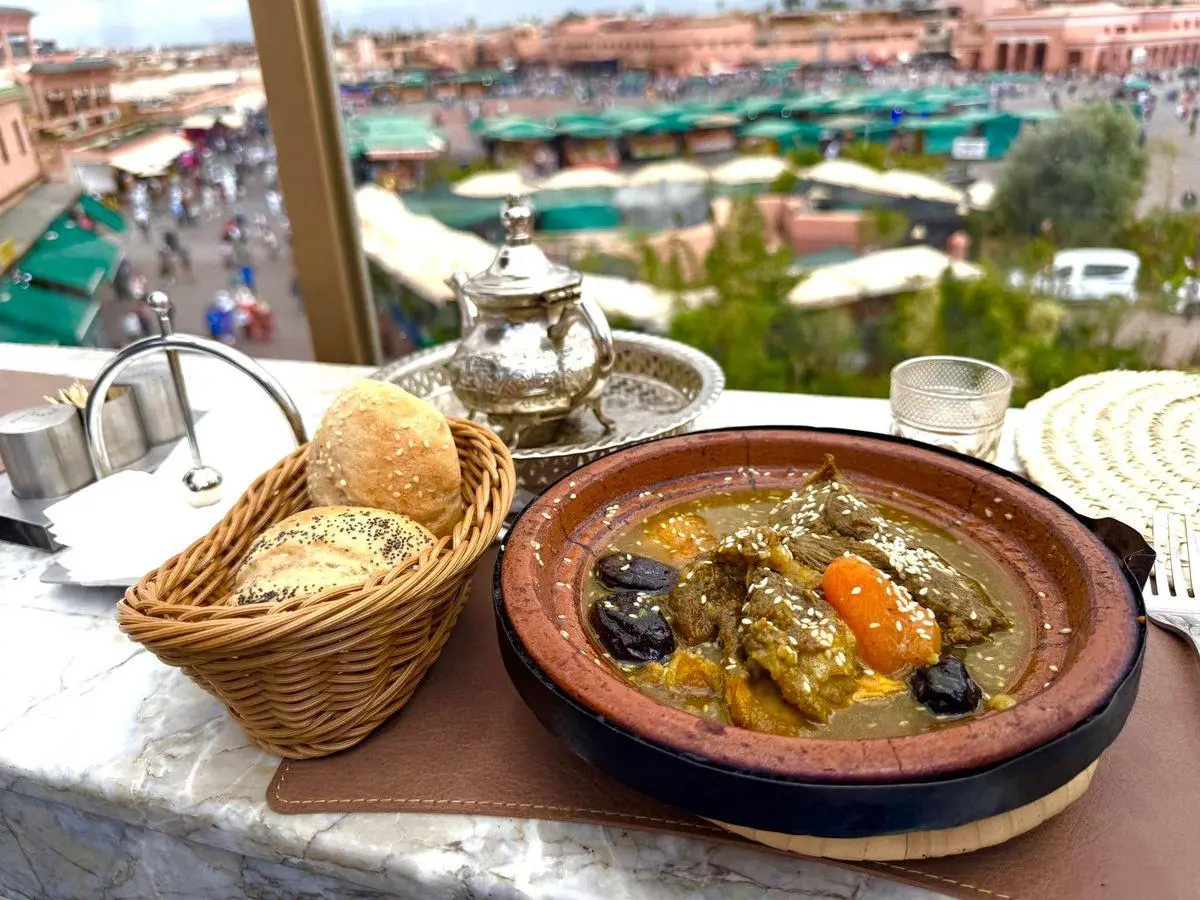
If you are planning a trip to Morocco, there is one thing you need to prepare for: an incredible culinary adventure. Marrakech is a city that wakes up all your senses, and nothing does that better than its culinary scene. The streets are filled with the rich aromas of roasting spices, fresh mint, and slow-cooked meats. Trying the best food in Marrakech is not just about filling your stomach; it is about experiencing the warm hospitality, deep history, and vibrant culture of this magical city.
From hidden street food stalls in the buzzing souks to beautiful terrace dinners overlooking the Atlas Mountains, the city offers flavors you will never forget. Whether you are a fan of savory slow-cooked stews, crispy pastries, or unique local street eats, this guide will take you on a delicious journey through the must-try dishes and culinary secrets of Marrakech. Get ready to discover what makes Moroccan cuisine truly world-class.
You cannot fully understand the best food in Marrakech without diving into the three pillars of traditional Moroccan cooking. These dishes are the heart and soul of local homes and restaurants, each requiring specific techniques, time, and a deep respect for ingredients.
Named after the conical clay vessel it is cooked in, a tagine is more than just a stew; it is a brilliant method of slow-cooking. The unique shape of the clay pot is designed to trap steam, causing it to rise, condense on the cool lid, and rain back down onto the ingredients. This constant self-basting cycle ensures the meat stays incredibly juicy while cooking in very little water.
In Marrakech, look for the perfect balance of savory and sweet. The most iconic variations include:
Chicken with Preserved Lemons and Olives (Dghaj M’qualli): A tangy, salty, and aromatic dish with a thick, deeply reduced onion sauce (dghmira).
Lamb or Beef with Prunes and Almonds: Tender meat slow-cooked with ginger, saffron, and cinnamon, topped with sweet, honey-glazed prunes and crispy, toasted almonds.
A true tagine is always served bubbling hot, directly in the clay pot, and is meant to be shared. Forget forks, you eat it using pieces of fresh, crusty khobz (Moroccan bread) to scoop up the tender meat and rich sauce.
While tagines are cooked all over Morocco, Tanjia belongs completely to Marrakech. It is a dish born from the city’s working-class history, traditionally prepared by the workers in the souks.
Instead of a flat tagine pot, Tanjia is cooked in a deep clay amphora (looks like a clay jug). It is packed with thick cuts of beef or lamb, garlic, cumin, saffron, a touch of spicy pepper, and a special Moroccan preserved butter called smen.
Here is the magic: the pot is sealed with parchment paper and brought to the local farnatchi, the traditional wood-fired oven that heats the neighborhood public bath (hammam). It is buried in the hot ashes and left to slow-cook for five to six hours. The result? A rich, intensely flavorful meat dish with a sauce so thick and savory it will blow your mind. It is pure comfort food, Marrakchi style.
To truly understand why couscous is considered one of the best food in Marrakech experiences, you have to look at the harmony of its ingredients. It all begins with the base: high-quality semolina grains milled from durum wheat. These tiny grains are meticulously rolled by hand with a splash of salted water and a drizzle of vegetable oil before being steamed multiple times until they are light, fluffy, and cloud-like.
The rich, deep flavor of the dish comes from the slow-simmered broth (marqa), which starts with a generous amount of bone-in meat- usually tender lamb, beef, or free-range chicken browned beautifully with finely chopped onions and fresh parsley and coriander tied into a neat bundle. This broth is deeply seasoned with a warm, golden spice blend featuring ginger, turmeric, black pepper, and precious saffron threads, along with a touch of smen (aged Moroccan butter) for a distinct, authentic depth.
Layered on top of the grains is a vibrant mountain of seven seasonal vegetables, a symbolic number representing good luck and abundance. This usually includes hearty, sweet pumpkin or butternut squash, sweet carrots, tender zucchini, earthy turnips, green cabbage, rich eggplant, and plump chickpeas. For the ultimate flavor contrast, many local cooks top the dish with Tfaya, a sweet and savory relish made from slowly caramelized onions, sweet raisins, cinnamon, and a touch of honey. When served, the fluffy grains soak up the aromatic, spice-infused broth, making every single bite a perfect balance of savory, sweet, and comforting flavors.

If you want to experience a dish that showcases pure culinary luxury, you must try Pastilla. This legendary pie is traditionally served at weddings and special celebrations, but you can find it in the finest restaurants and local bakeries across Marrakech.
The foundation of a great pastilla is ouarka, a paper-thin, incredibly crispy pastry dough that is layered meticulously with melted butter. Inside this flaky crust lies a complex, deeply flavorful filling:
The Savory Core: Tender shredded chicken (or traditionally, pigeon) slow-cooked with onions, saffron, ginger, and fresh coriander, which is then bound together with scrambled eggs to create a rich, moist texture.
The Sweet Crunch: A thick layer of toasted almonds that have been coarsely ground and mixed with orange blossom water, sugar, and cinnamon.
The pie is baked until it turns a beautiful golden-brown and shatters at the touch of a fork. Right before serving, the top is dusted generously with powdered sugar and decorated with intricate lines of ground cinnamon. The first bite gives you an unforgettable contrast of warm spices, savory meat, crispy pastry, and sweet nuts.
After a savory meal or during an afternoon break, Marrakech’s sweet pastries are a must-try. Most traditional Moroccan sweets rely heavily on local ingredients like pure honey, toasted sesame seeds, rich almond paste, and aromatic orange blossom water.
Here are the iconic sweets you should look for in the pastry shops of the medina:
Gazelle Horns (Kaab el Ghazal): These delicate, crescent-shaped pastries are thin coats of dough stuffed with a soft, rich almond paste scented with orange blossom water and a touch of cinnamon. They are elegant, subtle, and not overly sweet.
Chebakia: An absolute favorite during Ramadan but available year-round, this pastry is made of twisted dough flavored with sesame and anise, deep-fried until golden, and immediately soaked in hot, aromatic honey before being topped with sesame seeds. It is chewy, sticky, and deeply satisfying.
Ghoriba: A dense, crumbly Moroccan cookie made with almonds or walnuts. It has a beautifully cracked surface and a chewy texture that melts in your mouth.
Pairing any of these sweets with a steaming glass of fresh Moroccan mint tea, locally called “Berber Whiskey,” is the ultimate way to relax and enjoy the Marrakech vibe.

To truly find the best food in Marrakech, you have to step away from formal tables and follow the smoke and aromas into the streets. Marrakech has one of the most exciting street food cultures in the world, where recipes have been passed down through generations.
As evening falls, Marrakech’s main square, Jemaa el-Fnaa, transforms into a massive open-air restaurant. Hundreds of food stalls set up in rows, lit by glowing lanterns, with smoke rising into the night sky.
Walking through the square is an adventure for your senses. Friendly hosts will invite you to sit at long wooden benches to try a variety of quick bites. Here, you can sample grilled skewers of spiced beef, lamb sausage (merguez), or bowls of steaming Harira soup. It is energetic, loud, and an essential Marrakech experience.
Just off the main square lies a hidden gem known to locals and food lovers as “Mechoui Alley.” If you want to try the ultimate roasted lamb, this is the place.
Mechoui is whole lamb seasoned simply with salt and cumin, then lowered into deep, pit-ovens dug straight into the ground. The top of the pit is sealed with mud to keep all the heat and smoke inside. After hours of slow-roasting over wood embers, the meat becomes incredibly smoky, juicy, and so tender that the chefs pull it apart with their bare hands. You buy it by weight, and it is served on butcher paper with a side of cumin and salt for dipping.
If you want to eat exactly like the locals, look for the steaming cauldrons labeled with numbers in the square serving Babbouche (Moroccan snail soup). The snails are boiled in a complex broth made from over fifteen different wild herbs and spices. Locals love it because the warm, herbal broth is fantastic for digestion.
To wash everything down, seek out a street vendor selling Khudenjal, a dark, deeply warming tea brewed with ginger, cinnamon, and galangal root. It has a spicy kick that perfectly cuts through the rich street food you’ve just enjoyed.
While Marrakech is famous for its warm, slow-cooked stews, the city also excels at creating incredibly fresh, vibrant dishes to balance out those rich flavors. Using sun-ripened local produce, fresh herbs, and bright citrus, the lighter side of Marrakech food is a refreshing surprise for any food lover.
Before any major meal or tagine arrives at your table, it is traditional to be served a beautiful assortment of small cooked and raw salads (Shlada). Unlike Western salads that come in one big bowl, a Moroccan salad spread fills the table with a dozen colorful ceramic small plates, each featuring a completely different flavor profile.
You will find refreshing diced cucumbers and sweet tomatoes tossed with fresh mint and olive oil, alongside rich, smoky cooked salads. The absolute must-try is Zaalouk, a deeply flavorful dip made from roasted eggplants, tomatoes, garlic, cumin, and sweet paprika mashed together until silky. Another local favorite is Taktouka, a warm, sweet blend of roasted bell peppers and tomatoes. You eat these spreads by dipping fresh bread into each plate, making it a delicious, interactive start to your meal.
You cannot walk through Marrakech without noticing the massive, colorful displays of fresh fruit at the street stands, especially in Jemaa el-Fnaa. Marrakech is surrounded by vast groves of orange, pomegranate, and almond trees, and this fresh abundance is served up daily in the form of incredibly cheap, high-quality juices.
The classic Moroccan orange juice is squeezed right in front of you and is naturally sweet, thick, and perfectly chilled. If you want to try something uniquely local, look for pomegranate juice during the harvest season, or order an Avocado Almond Shake. This popular drink blends rich, creamy avocado with cold milk, crushed almonds, and a splash of orange blossom water or honey. It is thick, sweet, and acts as the perfect refreshing fuel to keep you walking through the sunny streets of the medina.

Starting your day in Marrakech requires a proper traditional breakfast. Locals love a carb-heavy, energetic morning meal paired with plenty of hot coffee or tea. Here are the top items you must try:
Msemmen (Moroccan Pancakes): A square-shaped, multi-layered flatbread. It is stretched incredibly thin, folded with butter and oil, and fried on a hot griddle until the outside is crispy and the inside is soft and flaky. It is best served warm with a side of honey and melted butter.
Baghrir (The Thousand-Hole Pancake): A light, spongy pancake made from semolina flour. As it cooks on one side, hundreds of tiny bubbles pop on the top, creating a unique texture. These holes are perfect for soaking up a warm mixture of honey and melted butter.
Harcha: A dense, crumbly pan-fried bread made entirely from coarse semolina. It has a slightly grainy texture and a rich, buttery flavor. It is typically sliced open and stuffed with soft cream cheese (Jben) or dipped in pure olive oil.
Sfenj: The ultimate Moroccan street donut. These ring-shaped pieces of dough are fried fresh in massive pans of bubbling oil until puffy and golden-brown. They are crispy on the outside, light and chewy on the inside, and cost next to nothing.
Bissara: For a hearty winter morning, locals head to small street stalls for a bowl of this thick, rich fava bean soup. It is served piping hot, drizzled with plenty of local olive oil, and dusted with cumin and chili powder.

To make sure your food adventure is completely perfect, here are a few smart tips used by locals and experienced travelers alike:
Follow the Crowds: When choosing a street food stall, always look for the ones packed with local Moroccan families. A busy stall means the food turns over quickly and everything is guaranteed to be fresh and safely cooked.
The Golden Rule for Water: Stick to bottled mineral water for drinking, and use it even for brushing your teeth. Also, skip ice cubes in your drinks when eating at casual street stalls.
Embrace the Bread: Remember that Moroccan bread (khobz) is your primary utensil for tagines and salads. Always wash your hands before eating, and traditionally, try to eat using your right hand.
Ask for Prices First: When eating in open-air markets like Jemaa el-Fnaa, always check the menu prices or agree on the price of the food with the host before you sit down to avoid any surprises when the bill arrives.
Timing is Everything: If you want to try authentic Friday Couscous, plan! Most traditional places only serve it on Friday lunchtimes, and the best spots fill up fast with locals after midday prayers.
Marrakech is a city that stays in your heart long after you leave, and its rich flavors are a huge part of that magic. Every single bite tells a story of local history, deep-rooted family traditions, and incredible Moroccan hospitality.
Taking the time to hunt down the best food in Marrakech is about more than just finding a great meal; it is about immersing yourself in the vibrant soul of the medina. From the slow-cooked perfection of a local Tanjia to the lively energy of the street food stands, this city offers a culinary adventure like no other.
So, don’t be afraid to step off the main paths, follow the amazing aromas through the winding alleyways, and eat exactly like a local. Your taste buds will thank you, and you will leave Morocco with memories that last a lifetime.
To Marrakech Desert Tours is a professional team dedicated to showing you the very best of the Moroccan desert. We offer high-quality tours with expertly designed programs to give you an unforgettable experience.
ToMarrakechDesertTours.com is a group of local experts who love sharing the authentic beauty of Morocco.
Our services are tailored for everyone, offering amazing adventures that fit any budget perfectly.
⇢ Booking directly with a local team saves you time, money, and stress, and makes sure every part of your trip is well organized.
⇢ Our guides and drivers are passionate about Morocco and love sharing its culture, history, and landscapes with our guests.
⇢ Every tour is private and flexible, so we can adapt the route, the pace, and the activities to your wishes.
© 2026 TO MARRAKECH DESERT TOURS. ALL RIGHTS RESERVED.