
Ramadan in Morocco: A Simple Guide for Travelers

Ramadan in Morocco is a special and beautiful time. For one month, Muslims fast from dawn to sunset, cities slow down in the day and come alive at night, and families gather for the evening meal. Visiting Morocco during Ramadan can be one of the most memorable experiences of your life, if you know what to expect.
In this simple guide, our local team explains Ramadan in Morocco: the dates, what changes for travelers, food, etiquette, the desert and the joyful Eid celebration at the end.
Ramadan in Morocco at a Glance
| Fact | Details |
|---|---|
| What | Holy month of fasting in Islam |
| Expected dates 2027 | About 8 February to 9 March 2027 |
| Fasting hours | From dawn to sunset |
| Evening meal | Ftour (iftar), at sunset |
| End of Ramadan | Eid al-Fitr, expected around 10 March 2027 |
| Time change | Clocks go back to GMT+0 during Ramadan |
What Is Ramadan?
Ramadan is the ninth month of the Islamic calendar. Muslims believe it is the month when the Quran was first revealed. During Ramadan, adults who are healthy do not eat, drink or smoke from dawn until sunset. It is a time of prayer, patience, family, charity and kindness. Learn more in our guide what religion is Morocco.
When Is Ramadan in Morocco?
Ramadan follows the moon, so it starts about 11 days earlier each year. The exact start is confirmed when the new moon is seen, so the official date is only known the evening before. In 2027, Ramadan in Morocco is expected from around 8 February to 9 March. In 2028, it will start in late January.
Remember that Morocco changes its clocks for Ramadan. Read our guide to the Morocco time zone.
Can Tourists Visit Morocco During Ramadan?
Yes, absolutely. Tourists are not expected to fast. Hotels, riads, tourist restaurants and tour services keep working. You will still visit the monuments, ride camels in the Sahara and explore the souks. The rhythm of the day is just a little different.
What Changes During Ramadan in Morocco
Daytime
Mornings are quiet. Many local cafes and small restaurants close during the day, and shops may open later. In the afternoon, people are tired from fasting, so things move slowly. Traffic becomes busy just before sunset as everyone rushes home.
Sunset
At sunset, the call to prayer and a siren or cannon announce the end of the fast. The streets suddenly become empty and silent as families sit down for ftour. It is a magical moment to witness.
Evening and Night
After ftour, cities come alive. People walk, visit family, shop and sit in cafes until late. Mosques are full for the special night prayers called tarawih. In Marrakech, Jemaa el-Fna square is lively until the early hours.
Opening Hours
Museums and monuments often have shorter hours. Banks and offices close earlier. Alcohol sales are more limited. Plan your visits in the morning and check opening times.
Ramadan Food in Morocco
Ftour in Morocco is a feast of special dishes:
- Harira: a rich tomato, lentil and chickpea soup, the star of every Ramadan table.
- Dates and milk: the first thing many people eat to break the fast.
- Chebakia: flower-shaped fried cookies with honey and sesame.
- Sellou: a sweet, nutty mix of toasted flour, almonds and sesame.
- Msemen and baghrir: Moroccan pancakes with honey and butter.
- Boiled eggs, juices and coffee.
Many riads offer ftour to guests. Accepting an invitation to break the fast with a Moroccan family is a wonderful experience. Discover more Moroccan food.
Etiquette for Travelers During Ramadan
- Avoid eating, drinking or smoking in public in the daytime, especially in small towns. Eat in your hotel or in tourist restaurants.
- Dress modestly, covering shoulders and knees.
- Be patient; people are fasting and may be tired.
- Do not play loud music near mosques.
- Say «Ramadan Mubarak» or «Ramadan Karim» to wish people a blessed Ramadan. They will love it.
- Be generous with tips. See our guide to tipping in Morocco.
Ramadan in Morocco on a Desert Tour
Desert tours run as usual during Ramadan. Your driver may be fasting, but he will still drive safely and with care; we plan the day with good breaks. In the desert camps, dinner is served after sunset as always. Many travelers enjoy breaking the fast with the Berber team at camp, sharing harira and dates under the stars. Ramadan in early 2027 falls in late winter, with pleasant days and cold nights in the Sahara. See our Marrakech desert tours.
Pros and Cons of Visiting During Ramadan
Pros
- Unique cultural experience and warm hospitality.
- Lively, festive evenings.
- Fewer tourists at some sites.
- Special Ramadan food you cannot taste at other times.
Cons
- Some local cafes and restaurants are closed in the day.
- Shorter opening hours.
- Slower pace in the afternoon.
Eid al-Fitr: The End of Ramadan
Ramadan ends with Eid al-Fitr, a joyful holiday of two or three days. Families wear new clothes, go to the mosque in the morning, visit relatives and share sweets. Many shops close on the first day, and transport is busy as people travel home. If you are in Morocco for Eid, say «Eid Mubarak».
Frequently Asked Questions
Is it a good idea to visit Morocco during Ramadan?
Yes. Ramadan in Morocco is a great cultural experience, as long as you respect local customs and plan around shorter hours.
Do tourists have to fast during Ramadan in Morocco?
No. Tourists do not have to fast, but should avoid eating and drinking in public in the daytime.
Are restaurants open during Ramadan?
Hotel and tourist restaurants stay open. Many local places close in the day and open after sunset.
Can I drink water in public?
Try to drink discreetly, out of sight, especially in small towns.
Do desert tours run during Ramadan?
Yes. Our desert tours run normally during Ramadan.
Final Thoughts on Ramadan in Morocco
Ramadan in Morocco shows the heart of the country: faith, family, patience and generosity. With a little respect and flexibility, your trip can be even richer. For official holiday news, check the Morocco national tourism website, and contact our local team for a free quote.
Explore our Morocco trips:
Tours from Marrakech: Cross the High Atlas to Ait Ben Haddou, the Todra Gorge and the dunes of Erg Chebbi.
Tours from Fes: Ride through the cedar forests of the Middle Atlas to the Sahara.
Tours from Casablanca: Discover the imperial cities, the mountains and the desert in one trip.
Contact us
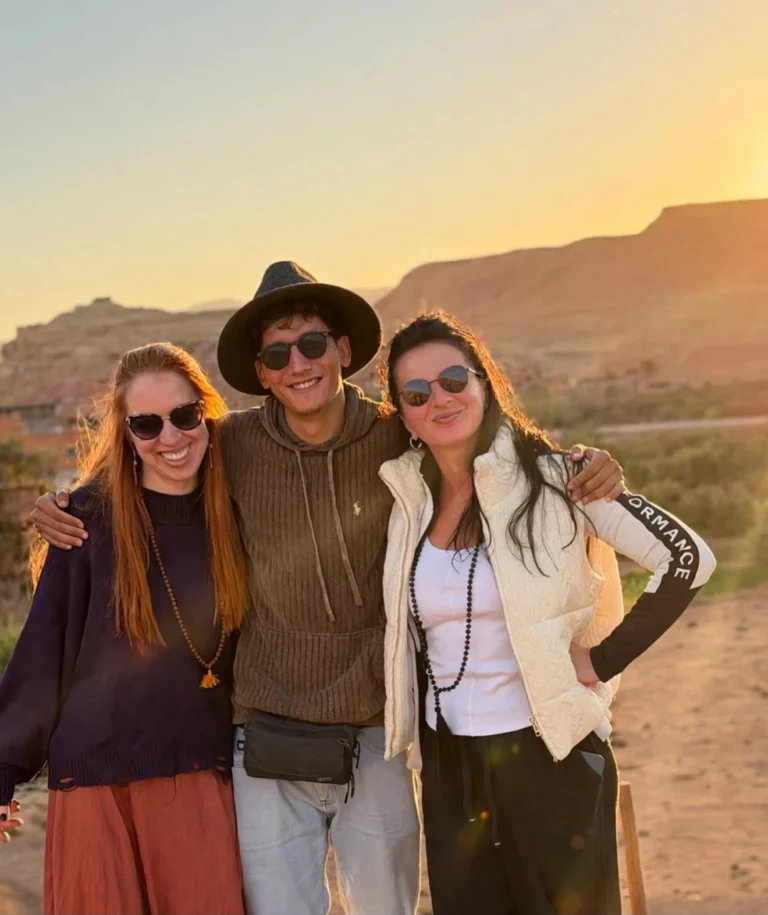
Your Local Experts
Ibrahim and our Moroccan team plan your trip with care. Whether you land in Marrakech, Fes, Casablanca, Tangier, Rabat, Agadir or Ouarzazate, we pick you up and shape each day around what you love.
Plan Your Trip
Click any destination to see more: