- tomarrakechdeserttours@gmail.com
- +212702431727

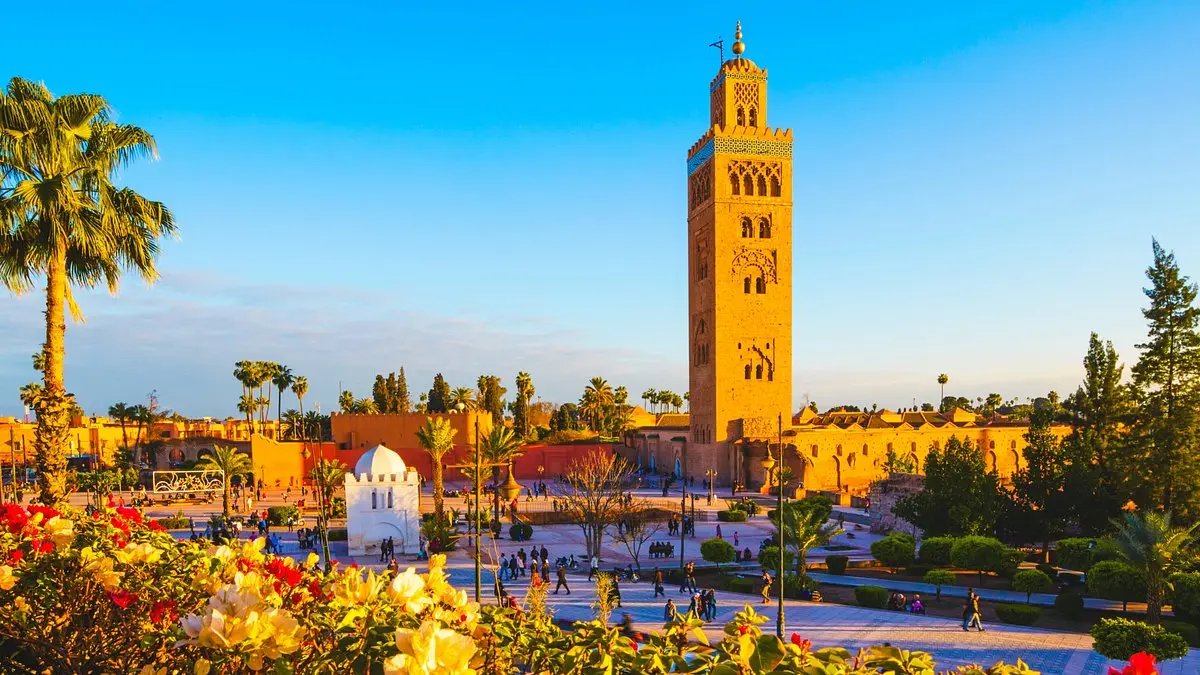
Have you ever dreamed of a place where ancient history, vibrant colors, and sweet-scented spices come together in perfect harmony? Welcome to Marrakech. Often referred to as the “Red City” due to the warm, clay-colored buildings that line its streets, this legendary destination has captured the hearts of travelers for centuries. But when planning a trip to Morocco, many first-time visitors find themselves asking: what is Marrakech known for?
The answer is a beautiful mix of sensory experiences, stunning architecture, and unforgettable hospitality. From the lively energy of the historic main square to the quiet, shaded courtyards of traditional hotels, Marrakech is a city that engages all your senses. It is a place where centuries-old traditions live side-by-side with modern culture, offering something magical for every kind of traveler.
In this guide, we are going to dive deep into the heart of the Red City to discover exactly what makes it so famous. Whether you are looking to explore historic monuments, shop for artisan crafts, or simply soak in the incredible atmosphere, you will quickly see why this Moroccan gem is celebrated around the world.
When you ask people what is Marrakech known for, the first thing they will almost always mention is the legendary Jemaa el-Fnaa square. This is not just a market or a square; it is the beating heart of the city and a UNESCO Masterpiece of the Oral and Intangible Heritage of Humanity.
Daytime Energy: During the day, the square is filled with juice sellers, traditional water sellers, and performers, creating a lively atmosphere that reflects the true spirit of the city.
Evening Transformation: As the sun sets, the square undergoes a remarkable change. It becomes a massive, open-air kitchen filled with rows of food stalls, musicians, and storytellers.
A Cultural Hub: It serves as a meeting point where locals and travelers alike gather. It is here that you truly feel the pulse of the city, offering a mix of sounds, tastes, and sights that you cannot find anywhere else in the world.
Endless Discovery: Every visit to the square offers something new. Whether you are watching the sunset from a nearby rooftop cafe or walking through the maze of performers, the square remains a cornerstone of the Marrakech experience.
Beyond its bustling squares, the true visual magic of the city lies in its breathtaking, centuries-old landmarks. If you are wondering what is Marrakech known for in terms of art and design, the answer is its unparalleled Hispano-Moorish architecture. The city is home to magnificent palaces, quiet courtyards, and towering minarets that showcase the incredible craftsmanship of Morocco’s history.
The Majestic Koutoubia Mosque: Standing tall as the city’s most famous landmark, the Koutoubia’s beautiful, soaring minaret has dominated the Marrakech skyline since the 12th century. While the interior is reserved for prayer, walking through the rose-filled gardens surrounding it is a peaceful must-do experience.
The Lavish Bahia Palace: Aptly named “The Palace of Brilliance,” this late 19th-century masterpiece is a stunning maze of floor-to-ceiling mosaics (zellij), painted cedarwood ceilings, and quiet, sun-kissed marble courtyards. It offers a spectacular glimpse into the luxurious lives of the grand viziers who once lived here.
The Grand Ruins of El Badi Palace: Once known as “The Incomparable,” this 16th-century palace was built to showcase immense wealth and power. Today, its massive sandstone ruins, sunken orange orchards, and the storks nesting on top of its high clay walls tell a silent, poetic story of the rise and fall of dynasties.
The Serene Saadian Tombs: Beautifully preserved and tucked away in the historic Kasbah, these tombs are a masterclass in delicate plasterwork and Italian marble carvings. They serve as the final, elegant resting place for the Saadian royal family.
If you want to experience the true color and energy of the Red City, you must lose yourself in its world-famous markets. When travelers wonder what is Marrakech known for, the image of winding, narrow streets packed with beautiful handmade treasures is often the very first thing that comes to mind. These bustling marketplaces are a paradise for shoppers, offering an unforgettable look into Morocco’s rich artistic traditions.
Souk Semmarine: This is the massive, bustling main artery of the market system. Walking down this wide covered lane, you will find a dazzling array of colorful clothing, fine leather goods, glowing lanterns, and rich spices stacked high in colorful cones.
Souk des Teinturiers: Known as the dyers’ market, this is one of the most visual places in the entire city. Here, you can watch artisans using traditional techniques to dye wool and silk in brilliant shades of indigo, saffron, and crimson, with the wet skeins of yarn hanging from wooden poles overhead to dry in the sun.
Souk el Khemis: For those who love vintage treasures, this sprawling market is highly famous for its incredible collection of antique wooden doors, hand-carved furniture, and unique home decor items that showcase the legendary craftsmanship of the region.
While the city is famous for its high-energy streets, it is equally celebrated for its peaceful, shaded green spaces. When looking at what is Marrakech known for, these quiet gardens offer travelers a perfect place to relax, unwind, and admire stunning botanical designs from around the world.
The World-Famous Jardin Majorelle: Perhaps the most iconic garden in all of North Africa, this stunning botanical masterpiece was created by the French painter Jacques Majorelle and later saved and restored by the fashion legend Yves Saint Laurent. It is highly famous for its striking cobalt blue villa, a color now known as Majorelle Blue, which stands out beautifully against a massive collection of exotic cacti, tall palms, and floating water lilies from five continents.
The Historic Menara Gardens: Located at the gates of the city with the snow-capped Atlas Mountains standing grandly in the distance, these 12th-century gardens are a favorite spot for locals. The heart of the gardens is a massive, peaceful reflection pool that sits next to a beautiful pavilion. Surrounding this pool are vast, ancient olive groves that have been irrigated by a clever, centuries-old canal system. It is the perfect spot to sit quietly and watch the sunset.
The Secret Garden (Le Jardin Secret): Tucked away behind the high, protective walls of an elegant palace in the very middle of the busy old city, this hidden gem has been beautifully restored to show how spectacular a traditional palace garden can be. Divided into an exotic garden filled with plants from all over the dry world and an authentic Islamic garden that represents the rivers of paradise, it offers a deeply peaceful, artistic experience right in the middle of the crowded streets.


For many travelers, the ultimate highlight of visiting Morocco is the food, and Marrakech is undoubtedly the culinary capital of the country. If you are asking yourself what is Marrakech known for when it comes to dining, prepare yourself for an incredible explosion of rich flavors, aromatic spices, and deeply rooted dining traditions.
Moroccan cuisine is a beautiful blend of Amazigh, Arab, and Mediterranean influences. In Marrakech, eating is not just about fuel; it is a social ritual, an expression of hospitality, and an art form that has been perfected over hundreds of years.
The Legendary Tanjia Marrakchia: This is the absolute signature dish of Marrakech, and you cannot leave the city without trying it. Unlike the famous tajine, a tanjia is slow-cooked inside a specific clay jug. Seasoned with garlic, cumin, saffron, preserved lemons, and olive oil, the clay pot is brought to the local bathhouse (hammam) to cook slowly in the hot ashes for several hours. The result is incredibly tender, flavorful meat that melts in your mouth.
Slow-Cooked Tajines and Couscous: You will find countless variations of tajines, rich, slow-cooked stews named after the conical clay pot they are cooked in. Popular combinations include chicken with preserved lemons and olives, or tender beef with sweet prunes and toasted almonds. On Fridays, make sure to try the traditional couscous, piled high with seven different types of seasonal vegetables.
The Ritual of Moroccan Mint Tea: Often referred to locally as “Moroccan whiskey,” drinking mint tea is the ultimate sign of hospitality. It is a sweet, hot blend of green tea, fresh spearmint leaves, and plenty of sugar. The tea is poured from high above to create a delicate layer of foam at the top of the glass, and sharing a glass with a local shopkeeper or host is a beautiful way to connect with the culture.
Vibrant Street Food at Night: As the sun goes down, the city’s food scene truly comes to life. Walking through the open-air stalls, you can sample freshly fried Moroccan doughnuts (sfenj), spiced snail broth, freshly squeezed orange juice, and grilled skewers of spiced meat. It is a lively, sensory experience that defines the nightlife of the city.
When discovering what is Marrakech known for, you will quickly find that the city’s charm is not just about what you see on the streets, but also how you experience its quiet, indoor spaces. The Red City is famous worldwide for offering two unique experiences that focus entirely on comfort, relaxation, and traditional hospitality: staying in a historic house and visiting a local bathhouse.
A Hidden Sanctuary: Unlike standard modern hotels, traditional courtyard houses in the old city are designed with plain, windowless outer walls to protect the privacy of the family inside. Once you step through the modest front door, you are greeted by an incredibly beautiful, open-air courtyard garden, often featuring a sparkling fountain, citrus trees, and colorful mosaic tiles.
Unmatched Hospitality: Staying in these traditional properties offers a highly personalized experience. With only a few rooms in each building, guests receive warm, genuine attention, starting with a fresh glass of mint tea upon arrival.
Stunning Rooftop Terraces: Most of these buildings feature sprawling rooftop terraces where you can enjoy a peaceful breakfast in the morning sun, listen to the distant call to prayer, or watch the stars over the old city at night.
An Ancient Ritual: The traditional bathhouse, or hammam, is a vital part of daily Moroccan life. It is a steam bath ritual where locals go weekly to clean themselves, catch up on community news, and relax.
The Purification Process: The experience involves resting in a series of heated steam rooms, followed by an intense body scrub using traditional black olive-oil soap (savon noir) and a coarse glove (kessa).
Complete Relaxation: After the deep scrub and a rinse with warm water, many visitors choose to get a relaxing massage using pure, locally sourced Argan oil, leaving you feeling entirely refreshed and ready for another day of exploring.
While the city itself offers endless wonders, part of what makes this destination so special is its location. If you are looking into what is Marrakech known for, you will find that it serves as the perfect gateway to some of Morocco’s most diverse and stunning natural landscapes. Within just an hour or two of leaving the busy streets of the old city, you can find yourself in lush green valleys, rocky deserts, or standing at the foothills of soaring mountain peaks.
Taking a day trip allows you to experience a completely different side of Moroccan life, far away from the fast pace of the medina.
The Dramatic Agafay Desert: For those who want to experience the magic of the desert without taking the long drive to the Sahara, this nearby stone desert is the perfect escape. Unlike the sandy dunes of the deep south, the Agafay features a striking, dry landscape of white, rolling clay hills. Here, you can spend the afternoon riding a quad bike across the rocky tracks, enjoying a peaceful camel ride at sunset, or dining in a luxury camp under a sky full of bright stars.
The Lush Ourika Valley: Located just an hour south of the city in the foothills of the High Atlas, this beautiful valley is a favorite weekend getaway for both locals and travelers. The valley is famous for its cool mountain air, terraced green fields, and traditional earth-built villages. The highlight of any visit is Setti Fatma, where you can take a guided hike up to a series of beautiful mountain waterfalls and later enjoy a fresh, hot tajine served at a table placed directly in the cool, shallow waters of the river.
The High Atlas Mountains and Berber Villages: For outdoor lovers, a trip into the high mountains offers spectacular scenery and deep cultural connections. You can explore valleys like Imlil, which serves as the starting point for climbing Mount Toubkal, the highest peak in North Africa. Visiting these areas gives you a firsthand look at the peaceful, traditional lifestyle of the indigenous communities, where houses are built right into the steep hillsides and ancient traditions are proudly kept alive.
For many, the ultimate reason to visit the Red City is to use it as a starting point for an unforgettable journey into the Sahara. When exploring what is Marrakech known for, its historic role as a major trading crossroads and the ultimate gateway to the deep desert is one of its most fascinating chapters. The legendary routes leading south from the city take you through some of the most dramatic landscapes and iconic film locations in the world.
If you are planning to experience the magic of the Moroccan desert, these three legendary stops along the route are essential:
Located just over the High Atlas Mountains, this spectacular UNESCO World Heritage site is a breathtaking example of traditional southern Moroccan clay architecture. The fortified village (ksar) is a stunning maze of red earthen dwellings, high towers, and defensive walls climbing up a hillside. Walking through its narrow, quiet pathways feels like stepping hundreds of years back in time. It is highly famous for its beautifully preserved state and is an absolute must-visit on your way to the dunes.
Right next to Ait Benhaddou sits Ouarzazate, widely celebrated as the “Hollywood of Africa.” Because of its incredible golden light, dramatic desert landscapes, and spectacular ancient fortresses, this city has been a favorite location for international filmmakers for decades. It is home to massive film studios where legendary movies and shows like Gladiator, Kingdom of Heaven, The Mummy, and Game of Thrones were filmed. Beyond the movie magic, Ouarzazate represents the official threshold where the green valleys end and the true desert territory begins.
Further east lies the crown jewel of the Moroccan Sahara, The Merzouga Desert, famous for the magnificent golden sand dunes of Erg Chebbi. Here, the rolling waves of sand rise like massive mountains, changing color from orange to pink as the sun moves across the sky. Reaching Merzouga is the ultimate desert dream, where you can ride camels deep into the silent wilderness, watch the sunset over the highest dunes, and spend a peaceful night in a traditional desert camp listening to local music under a brilliant blanket of stars.

Marrakech is a destination that stays in your heart long after you return home. From the sensory energy of the bustling markets and the timeless architectural wonders of its grand palaces to the quiet courtyards of its beautiful hotels, it is easy to see exactly what is Marrakech known for. It is a place of incredible contrasts, where ancient traditions and warm hospitality come together to create unforgettable memories.
If you are ready to experience the magic of Marrakech and the spectacular landscapes that lie just beyond its ancient walls, the best way to do it is with a personalized journey. Rather than traveling with large, crowded groups, choosing to book a private tour allows you to discover the beauty of the Red City and the golden Sahara Desert at your own comfortable pace.
To Marrakech Desert Tours is a professional team dedicated to showing you the very best of the Moroccan desert. We offer high-quality tours with expertly designed programs to give you an unforgettable experience.
ToMarrakechDesertTours.com is a group of local experts who love sharing the authentic beauty of Morocco.
Our services are tailored for everyone, offering amazing adventures that fit any budget perfectly.
⇢ Booking directly with a local team saves you time, money, and stress, and makes sure every part of your trip is well organized.
⇢ Our guides and drivers are passionate about Morocco and love sharing its culture, history, and landscapes with our guests.
⇢ Every tour is private and flexible, so we can adapt the route, the pace, and the activities to your wishes.
© 2026 TO MARRAKECH DESERT TOURS. ALL RIGHTS RESERVED.