- tomarrakechdeserttours@gmail.com
- +212702431727

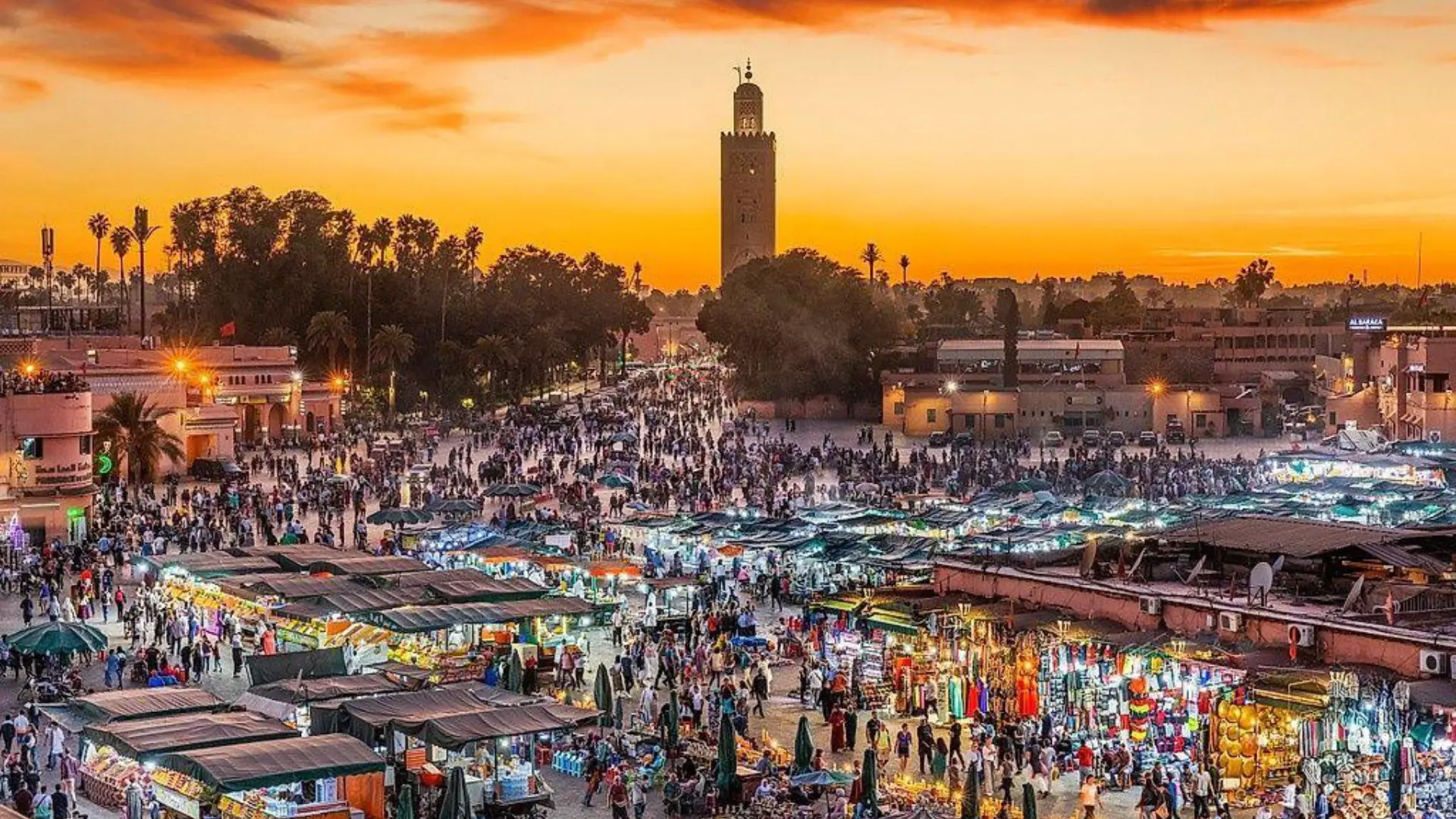
When you first step into the heart of Morocco’s most famous imperial city, your senses are hit all at once. The air smells faintly of orange blossoms and roasted cumin. The walls around you glow with a warm, dusty pink hue, and the distant rhythm of traditional drums echoes through the air. It forces you to pause and ask yourself a fundamental question: what is Marrakech?
To the casual tourist, it is a bustling hub of ancient markets, luxury riads (traditional houses with courtyards), and beautiful palaces. But to truly understand this city, you have to look past the surface. Marrakech is not just a place on a map; it is a living, breathing sensory experience where a thousand years of North African history collide head-on with modern, creative energy. It is an open-air theater that has been running non-stop since the 11th century.
To truly answer the question What is Marrakech, you have to start in its oldest section: the Medina. This is a historic, walled neighborhood filled with narrow, maze-like streets that date back hundreds of years. Walking through the Medina feels like stepping back in time. There are no cars here; instead, you will see people walking, small motorbikes, and donkeys carrying goods.
As you explore the Medina, you will naturally end up at Jemaa el-Fnaa. This is the main square of the city, and it is the true heartbeat of Marrakech. During the day, it is a wide-open space where you can buy fresh orange juice or see traditional performers.
But when the sun goes down, the square completely changes. It transforms into a massive open-air restaurant filled with smoke, wonderful smells of grilled food, and hundreds of visitors. You will hear traditional music, see storytellers, and feel an energy that you cannot find anywhere else in the world. It is the liveliest place in Morocco and something you must experience at least once.
When people ask what is Marrakech, the first thing they usually picture is a warm, red-colored landscape. This is why it is globally famous as The Red City.
Almost all the buildings, walls, and houses in the old town are made from a local red clay and earth. Centuries ago, the founders used this mud-brick material because it kept the houses cool in the hot summer sun. Today, there is a local law that requires new buildings to be painted in the same warm, earthy tones to keep the city’s beautiful look.
Marrakech was founded nearly one thousand years ago, around the year 1070, by the Almoravid dynasty. It quickly grew into a major trade center because of its perfect location right next to the Atlas Mountains and the Sahara Desert. Caravans carrying spices, gold, and fabrics would stop here to trade. Over the centuries, powerful leaders built grand mosques and defensive walls, making it one of the most important historic capitals in North Africa.
To understand the full beauty of what is Marrakech, you have to look beyond the busy markets and step inside its peaceful gardens and grand palaces. The city is famous for its “hidden” beauty. From the outside, you might just see plain clay walls, but once you step through the doorways, you find incredible architecture and quiet courtyards.
One of the most visited spots in all of Morocco is the Majorelle Garden. This beautiful botanical garden was created by a French artist named Jacques Majorelle and was later owned by the famous fashion designer Yves Saint Laurent. It is a magical place filled with giant cacti, exotic plants, and peaceful water fountains from all over the world. What makes it special is the contrast of colors: the bright green plants stand next to buildings painted in an intense, unforgettable shade of cobalt blue. It feels like an oasis of calm right in the middle of a busy city.
If you want to see how royalty lived centuries ago, the Bahia Palace is a must-visit. The name “Bahia” means “brilliance,” and the palace definitely lives up to its name. Built in the late 19th century, it features dozens of rooms, massive courtyards, and beautiful gardens. As you walk through, look up at the ceilings to see beautiful wooden carvings, and look down at the floors to admire the colorful, hand-cut geometric tiles called Zellij. It gives you a clear picture of traditional Islamic and Moroccan architecture at its finest.
You cannot talk about Marrakech without mentioning the Koutoubia Mosque. Its massive minaret (prayer tower) stands nearly 70 meters high and can be seen from almost anywhere in the city. Built in the 12th century, it is the largest mosque in Marrakech. While non-Muslims cannot go inside the prayer hall, walking around the beautiful rose gardens that surround the mosque is a wonderful way to spend an afternoon. The tower also serves as a perfect landmark to help you find your way if you get lost in the nearby streets.

You cannot truly say you know what is Marrakech until you have tasted its food. Moroccan cuisine is famous all over the world, but eating it in Marrakech is a completely different experience. The local food is a mix of Arabic, Berber, and Mediterranean influences, creating rich flavors that are sweet, savory, and full of aromatic spices like cumin, saffron, and cinnamon.
The absolute king of the dining table here is the Tagine. A tagine is actually the name of the special conical clay pot used to cook the food, as well as the stew itself. Inside, meat like tender lamb, beef, or chicken is slow-cooked for hours alongside fresh vegetables, olives, and fruits like dried plums (prunes) or apricots. Because it cooks slowly over charcoal, the meat becomes so soft that it falls apart with a fork, and the sauce becomes incredibly rich.
While Tagine is eaten all over Morocco, Marrakech has a special dish that belongs completely to this city: Tanjia (not to be confused with Tagine). Historically, this was a dish made by the men who worked in the souks. They would pack chunks of seasoned meat, garlic, cumin, saffron, and preserved lemons into an amphora-shaped clay pot. Then, they would take the pot to the local Hammam (bathhouse) and bury it under the hot ashes that heated the water. It cooks slowly overnight for up to six hours. The result is an incredibly tender meat with a rich, lemony, and savory sauce that you scoop up with fresh crusty bread.
No meal or conversation in Marrakech is complete without a glass of Moroccan Mint Tea, affectionately known by locals as “Berber Whiskey.” This is much more than just a drink; it is a symbol of hospitality. It is made by brewing green tea leaves with lots of fresh spearmint leaves and sugar.
The way it is served is an art form itself. The host will hold the teapot high above the glass while pouring, creating a nice layer of foam at the top. This pouring method cools the tea down to the perfect temperature and mixes the sugar beautifully. If someone offers you a glass of tea in a shop or a home, it is polite to accept it as a sign of friendship.

Now that you know what is Marrakech culturally and historically, you might be thinking about packing your bags. Visiting the Red City is an incredible adventure, but because it is so lively and unique, having a few practical tips can make your journey much smoother and more enjoyable.
Marrakech sits near the desert, which means the weather can get extremely hot. The best times to visit are during the spring months (March to May) and autumn months (September to November). During these periods, the daytime temperatures are warm and pleasant, and the nights are beautifully cool. Summer (July and August) can be very intense, with temperatures often going above 40°C, making it difficult to walk around comfortably during the day.
The traditional markets, called souks, are an absolute highlight, but they can feel overwhelming at first. The streets are narrow, and there are no signs. Getting lost is actually part of the fun!
When you want to buy souvenirs, leather goods, or spices, remember that haggling (negotiating the price) is a normal part of the culture. Shop owners will usually start with a high price, and it is expected that you politely offer a lower amount. Always keep a smile on your face, be respectful, and if a price does not feel right to you, it is completely okay to say “No, thank you” and walk away.
Marrakech is a very walkable city, especially inside the walls of the old Medina. For longer distances, like moving from the old town to the modern neighborhood of Gueliz, you can easily use the small beige taxis called Petit Taxis. Always make sure the driver turns on the meter before the trip starts, or agree on a clear price before you get into the car.
Morocco is a welcoming and warm country, and locals appreciate it when visitors respect their traditions. When walking around the public streets, it is best to dress modestly by keeping your shoulders and knees covered. Also, it is polite to ask for permission before taking photos of people or their shop displays. Learning just a couple of basic words in Moroccan Arabic (Darija), like Salam (Hello) and Shukran (Thank you), will bring big smiles to the faces of the people you meet.
If you want to see the giant dunes of Merzouga, you have three great options depending on how much time you have. Here is a simple breakdown of the best desert tours:
This is the most popular choice for travelers who want to see the desert but have a busy schedule.
Day 1: Marrakech to Dades Valley. Drive over the beautiful Atlas Mountains, explore the famous Ait Benhaddou fortress, and spend the night in a green valley.
Day 2: Dades Valley to Merzouga Desert. Walk through the giant rock walls of Todra Gorge, ride a camel into the golden sand dunes at sunset, and sleep in a traditional desert camp under the stars.
Day 3: Merzouga back to Marrakech. Wake up early for a beautiful desert sunrise, enjoy breakfast, and take a scenic drive back to the Red City.
This tour follows a similar route to the 3 days trip, but it moves at a slower pace so you do not spend too many hours driving in one day.
Day 1: Marrakech to Ouarzazate. Cross the mountains and stop early to relax and explore the famous movie studios and historic Kasbahs.
Day 2: Ouarzazate to Merzouga. Drive through the beautiful Todra Gorge and arrive at the Merzouga dunes early enough to enjoy a relaxed camel trek to your camp.
Day 3: Merzouga to Dades Valley. Leave the desert camp and spend the night halfway back to Marrakech in the quiet, peaceful Dades Mountains.
Day 4: Dades Valley back to Marrakech. Enjoy a relaxed morning drive through the mountains and return to the city by the afternoon.
This is the best option if you want to completely immerse yourself in the desert culture and explore hidden spots.
Day 1: Marrakech to Dades Valley. Cross the Atlas Mountains and see the historic clay castles along the way.
Day 2: Dades Valley to Merzouga. Visit the spectacular Todra Gorge and ride camels into your luxury desert camp.
Day 3: Full Day in the Sahara. Spend a whole day exploring the desert! Visit local nomad families, listen to traditional Gnawa music in a nearby village, and enjoy a second night under the stars.
Day 4: Merzouga to Draa Valley. Drive a different route back through the stunning Draa Valley, which is famous for having millions of beautiful palm trees.
Day 5: Draa Valley back to Marrakech. Complete your journey back to the Red City, stopping for beautiful mountain photos along the way.

In the end, answering the question of what is Marrakech is about understanding a feeling rather than just describing a location. It is a city where every corner has a story, from the ancient red walls of the Medina to the delicious taste of a slow-cooked Tagine. It is a place that challenges your senses, welcomes you with open arms, and leaves you with unforgettable memories.
Furthermore, Marrakech is the perfect starting point for the ultimate Moroccan adventure. Whether you choose to get lost in the colorful local markets, relax in a peaceful hidden garden, or take a spectacular tour out to the golden sand dunes of the Merzouga desert, this city offers a journey like no other place on earth.
If you are planning your next vacation, the Red City is waiting for you. Pack your bags with an open mind and a spirit for adventure, and get ready to experience the true heartbeat of Morocco.
To Marrakech Desert Tours is a professional team dedicated to showing you the very best of the Moroccan desert. We offer high-quality tours with expertly designed programs to give you an unforgettable experience.
ToMarrakechDesertTours.com is a group of local experts who love sharing the authentic beauty of Morocco.
Our services are tailored for everyone, offering amazing adventures that fit any budget perfectly.
⇢ Booking directly with a local team saves you time, money, and stress, and makes sure every part of your trip is well organized.
⇢ Our guides and drivers are passionate about Morocco and love sharing its culture, history, and landscapes with our guests.
⇢ Every tour is private and flexible, so we can adapt the route, the pace, and the activities to your wishes.
© 2026 TO MARRAKECH DESERT TOURS. ALL RIGHTS RESERVED.