- tomarrakechdeserttours@gmail.com
- +212702431727

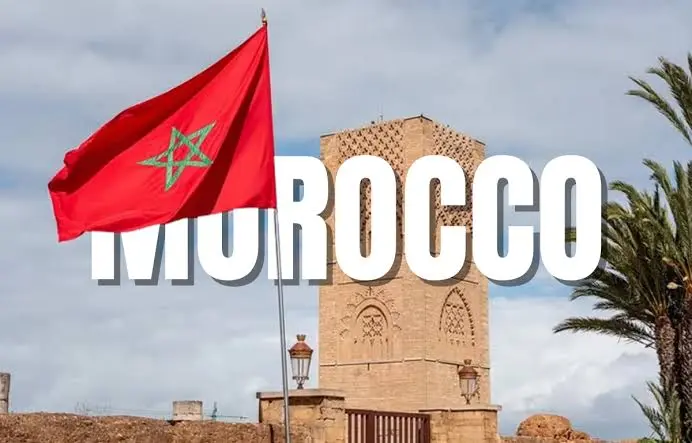
Planning a trip to Morocco requires understanding how the climate shifts across its dramatically varied landscapes, from the sweeping sands of the Sahara Desert and snow-capped High Atlas Mountains to the historic imperial cities and Atlantic beaches. Because the weather varies greatly depending on the region and season, timing your visit properly is the single most important factor in crafting an unforgettable journey.
While Morocco is a rewarding year-round destination, the shoulder seasons of spring (March to May) and autumn (September to November) generally offer the most comfortable weather nationwide. During these months, you will enjoy warm, pleasant days for exploring winding ancient medinas, mild desert nights for stargazing, and clear mountain trails ideal for trekking.
Whether you are looking to escape summer heat along breezy coastal towns, embark on an action-packed short desert excursion, or take on a comprehensive multi-day grand tour, knowing what each season brings allows you to choose the perfect moment for your adventure.
Spring is widely considered the absolute best season to travel throughout Morocco. As winter recedes, temperatures become wonderfully comfortable, landscapes bloom with vibrant greenery, and conditions across every region align perfectly for outdoor exploration.
Ideal Temperatures Nationwide: Daytime temperatures range from 20°C to 28°C (68°F to 82°F) across major cities like Marrakech, Fes, and Rabat, offering perfect conditions for exploring historic medinas without suffering under intense summer heat.
Peak Desert Travel Season: Spring brings ideal weather to the Sahara Desert (Erg Chebbi and Erg Chigaga). Days are warm and clear, while nighttime temperatures drop to a comfortable, crisp level perfect for luxury desert glamping and stargazing.
Lush Mountain Landscapes: The High Atlas Mountains come alive during spring. Snowmelt feeds rivers and waterfalls, wild roses bloom across the Dades Valley, and valleys like Ourika and Imlil turn vibrant green, creating world-class conditions for trekking and day hikes.
Vibrant Coastal Breezes: Coastal destinations such as Essaouira, Taghazout, and Agadir experience pleasant sunshine and light ocean breezes, making it a great time to combine culture, desert, and beach relaxation.
Festivals & Wildflowers: Spring host unique seasonal events, including the famous Rose Festival in El Kelaa M’Gouna (May), where entire valleys celebrate the harvest of Damask roses used in local essential oils and cosmetics.
Autumn is the second golden window for visiting Morocco. As the intense summer heat cools down, comfortable warm days return nationwide, accompanied by clear skies and fewer crowds than during the spring peak.
Moderate Urban Temperatures: Cities like Marrakech, Fes, and Meknes drop back down to comfortable daily averages of 22°C to 28°C (72°F to 82°F), making medina tours, market shopping, and historical sightseeing exceptionally enjoyable.
Prime Sahara Conditions Return: October and November bring optimal conditions back to the desert. The scorching summer heat breaks, providing ideal daytime temperatures for camel rides and warm desert camp evenings under clear starry skies.
Warm Atlantic Waters: Ocean waters along the Atlantic coast (Essaouira, Taghazout, and Mirleft) remain warm from summer sun exposure. Autumn also signals the start of the prime surf season along the southwestern coast.
Date Harvest & Cultural Celebrations: Autumn brings local agricultural harvests across the oases, most notably the Date Harvest Festival in Erfoud (October), where villages celebrate the date palm harvest with traditional music, dancing, and markets.
Excellent Mountain Trekking: Clear, stable skies and dry trails make autumn ideal for high-altitude trekking in the High Atlas Mountains, including summit attempts on Mount Toubkal before winter snows arrive.
Summer brings intense heat to Morocco’s inland plains and desert regions, with temperatures frequently climbing above 40°C (104°F) in cities like Marrakech and Fes, and even higher in the Sahara. However, summer is still a fantastic time to visit if you focus your itinerary on the breezy Atlantic coast, Northern Mediterranean beaches, and cool High Atlas mountain passes.
Refreshing Ocean Breezes: Coastal towns such as Essaouira, Taghazout, Agadir, and Oualidia enjoy mild daily temperatures averaging 24°C to 28°C (75°F to 82°F) thanks to trade winds and cool Atlantic currents.
Northern Riviera Life: Tangier, Chefchaouen, Asilah, and Al Hoceima offer warm Mediterranean waters and vibrant coastal culture, making northern Morocco a top spot for summer road trips.
Lively Evening Atmosphere: Coastal promenades come alive after sunset with local night markets, seafood dining, and outdoor summer festivals.
Cool Alpine Temperatures: High-elevation villages like Imlil, Aroumd, and Oukaïmeden offer immediate relief from low-altitude heat, providing crisp mountain air for morning hikes.
High Atlas Trekking: Summer provides snow-free, accessible trails up high peaks like Mount Toubkal, making it the preferred season for serious high-altitude trekkers.
Waterfalls and Oases: Valleys like Ourika, Ouzoud, and Paradise Valley feature shaded swimming spots and flowing waterfalls ideal for cooling off on day trips.
Winter in Morocco brings clear, crisp days across much of the country, making it a peaceful and appealing season for travelers who want to avoid peak crowds and enjoy comfortable daytime sightseeing.
Pleasant Daytime Sightseeing in Cities
Imperial cities like Marrakech, Fes, and Meknes enjoy bright, sunny days with mild daytime temperatures around 15°C to 20°C (59°F to 68°F)—perfect for walking through medinas without getting overheated.
Nights in the interior cities drop quickly to around 5°C to 8°C (41°F to 46°F), so packing warm layers and jackets for evenings is essential.
Crisp Sahara Desert Days & Cold Nights
Winter offers incredibly clear blue skies over the dunes of Erg Chebbi and Erg Chigaga, ideal for daytime camel rides and sandboarding.
Desert nights drop dramatically, often reaching near-freezing temperatures (0°C to 4°C / 32°F to 39°F). Luxury desert camps equip guests with heavy blankets, heaters, and campfires to stay cozy under the stars.
Snow-Capped Atlas Mountains & Skiing
The High Atlas peaks receive significant snowfall, transforming the landscape into a stunning winter backdrop visible all the way from Marrakech.
Oukaïmeden, Africa’s highest ski resort, opens its slopes for skiing and snowboarding, while mountain villages like Imlil offer serene, snow-dusted views for winter travelers.
Lower Accommodation Rates & Thinner Crowds
Aside from the busy Christmas and New Year peak period, winter sees fewer tourists nationwide.
Hotel and luxury riad rates drop, giving travelers access to prime accommodations and private tours at competitive prices with minimal wait times at historical monuments.
Morocco is a country of extreme geographical diversity. Understanding how weather patterns vary from region to region allows you to pack correctly and choose the best travel dates for your specific destinations.
Inland cities experience a continental climate marked by hot summers and mild winters. Spring (March to May) and autumn (September to November) offer the most comfortable temperatures for walking through crowded historic medinas, with daily averages between 20°C and 28°C (68°F to 82°F). Summer months can be intensely hot, often topping 40°C (104°F) in July and August, while winter brings crisp, sunny days around 18°C (64°F) and chilly nights that drop to 5°C (41°F).
The deep south features an arid desert climate with extreme temperature shifts between day and night. The best time to visit the dunes is from October to April, when daytime temperatures are pleasant for camel trekking and quad biking. Winter nights (December to February) can plunge near freezing, so heavy winter layers are required for overnight glamping. Avoid deep desert excursions during mid-summer (July and August), when daytime temperatures regularly exceed 45°C (113°F).
The coastal regions benefit from maritime weather with moderate temperatures year-round. Ocean trade winds keep summers mild, averaging 25°C (77°F), making coastal towns popular refuges during the peak summer heat of inland Morocco. Winter remains mild along the coast, with occasional rain showers between November and February. Surfers flock to Taghazout and the Atlantic coast between October and March for the best ocean swells.
Short excursions, such as 2-day or 3-day trips from Marrakech to the Zagora or Merzouga desert, day trips to the Ouzoud Waterfalls, or quick coastal getaways to Essaouira—require efficient timing to maximize your hours on the road.
Ideal Months (October to April): Autumn, winter, and early spring are the best times for short desert trips. Because driving times between Marrakech or Fes and the dunes take several hours, moderate daytime temperatures ensure your time spent traveling in the vehicle and riding camels at sunset is comfortable.
Winter Short Tours: Winter is surprisingly great for short trips. The clear, crisp skies offer exceptional visibility through the High Atlas passes (like Tizi n’Tichka), and shorter daylight hours mean you catch dramatic sunrises and sunsets over the dunes without waking up excessively early.
Summer Strategy: If taking a short tour between June and August, focus on coastal destinations like Essaouira or day trips to the Atlas Mountains (Imlil Valley), where high altitudes and sea breezes provide immediate relief from city heat.
Grand tours that loop across the entire Kingdom, combining imperial cities, high mountain passes, the deep Sahara, and coastal towns, demand balanced weather conditions nationwide.
Peak Windows (March to May & September to November): Spring and autumn are the absolute best windows for multi-day grand itineraries. During these months, weather conditions align across every geographical zone: mild for city walking in Fes, warm for desert glamping in Erg Chebbi, and clear for mountain scenic drives.
Pacing & Seasonality:
Spring Grand Tours: Experience green, blossoming valleys in the south, full rivers in the Atlas, and perfect desert temperatures.
Autumn Grand Tours: Benefit from warm Atlantic waters, the Erfoud date harvest atmosphere, and clear, golden light perfect for landscape photography.
Winter & Summer Grand Tours: A grand tour can still be executed in winter or summer by adjusting the route, emphasizing northern cities and coastal stops in summer, or focusing on Southern oases and sunny lowlands in winter.


Choosing when to visit also depends on your preferred travel style, budget, and cultural interests.
Peak Season (April–May & October): Expect higher demand for boutique riads, luxury desert camps, and private drivers. Booking several months in advance is highly recommended.
Low Season & Value Travel (November, January–February): Outside of the Christmas and New Year holiday rush, winter offers the lowest rates of the year and peaceful access to famous monuments without crowds.
Cultural Festivals:
Rose Festival (El Kelaa M’Gouna – May): Celebrates the Damask rose harvest in the Dades Valley.
Gnaoua World Music Festival (Essaouira – June): Fuses traditional African spiritual music with international genres along the Atlantic coast.
Date Festival (Erfoud – October): Marks the annual date harvest at the edge of the Sahara with traditional celebrations and markets.
Ultimately, the best time to visit Morocco depends on the experience you want to create. Whether you are planning a rapid 3-day desert escape, a refreshing coastal getaway, or an immersive 10-day grand tour across imperial cities and Sahara dunes, Morocco offers distinct advantages in every season:
Choose Spring (March to May) or Autumn (September to November) for ideal weather everywhere, perfect desert nights, and mountain hiking.
Choose Summer (June to August) for breezy Atlantic beaches, vibrant northern cities, and cool High Atlas mountain retreats.
Choose Winter (December to February) for sunny, crowd-free daytime sightseeing, snow-capped Atlas scenery, and lower travel costs.
With proper regional planning and an itinerary tailored to the season, Morocco welcomes you with world-class landscapes, rich cultural heritage, and legendary hospitality year-round. Pack your bags and start planning your Moroccan adventure today!
To Marrakech Desert Tours is a professional team dedicated to showing you the very best of the Moroccan desert. We offer high-quality tours with expertly designed programs to give you an unforgettable experience.
ToMarrakechDesertTours.com is a group of local experts who love sharing the authentic beauty of Morocco.
Our services are tailored for everyone, offering amazing adventures that fit any budget perfectly.
⇢ Booking directly with a local team saves you time, money, and stress, and makes sure every part of your trip is well organized.
⇢ Our guides and drivers are passionate about Morocco and love sharing its culture, history, and landscapes with our guests.
⇢ Every tour is private and flexible, so we can adapt the route, the pace, and the activities to your wishes.
© 2026 TO MARRAKECH DESERT TOURS. ALL RIGHTS RESERVED.