
Are Moroccan People Black? A Simple Guide to Who Moroccans Are
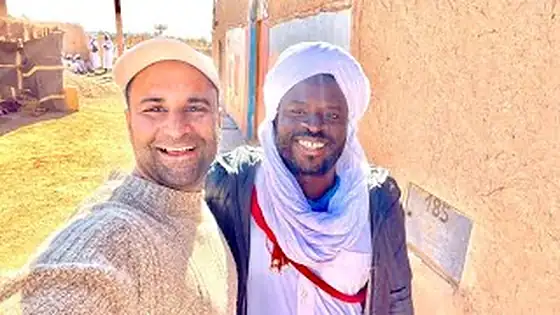
Are Moroccan people black? It is one of the most common questions travelers ask before a trip to Morocco. The simple answer: some Moroccans are Black, but most are not. Morocco is a North African country with a long, mixed history, and its people have many different skin tones, from light to dark.
We are a local tour company in Marrakech, and every week we travel with guests across the country. In this short guide we explain, in simple words, who Moroccan people are, where their roots come from, and what you will see on your trip.
Quick Answer
Most Moroccans are of Amazigh (Berber) and Arab heritage, with mixed North African roots. Their skin tones go from light to brown. There are also Black Moroccans, especially in the south, whose families have lived in Morocco for centuries. Most people simply call themselves Moroccan, not Black or white.
Are Moroccan People Black? The Short Answer
So, are Moroccan people black? Morocco is in Africa, so in one way all Moroccans are African. But in daily life, most Moroccans do not describe themselves as Black. They usually say they are Moroccan, and sometimes Amazigh, Arab, Sahrawi or a mix of these.
If you walk in the Marrakech medina or the souks of Fes, you will see people with many different looks: some with fair skin and light eyes, many with olive or brown skin, and some with dark skin. This mix is normal in Morocco and is part of what makes the country so rich.
Who Are the Moroccan People?
To understand why the question «are Moroccan people black» has no single answer, it helps to know that Moroccans come from several old groups that have mixed over a very long time:
- Amazigh (Berber) people: the first people of North Africa. Many live in the Atlas Mountains, the Rif and the south, and speak Tamazight.
- Arab people: Arabs came from the 7th century onward and brought Islam and the Arabic language. Today most Moroccans have both Amazigh and Arab roots.
- Black Moroccans: families with roots in West Africa and the Sahel, linked to centuries of trade across the Sahara.
- Sahrawi people: desert communities in the far south with their own traditions and Hassaniya Arabic.
- Andalusian and Jewish heritage: old communities that shaped cities like Fes, Tetouan and Essaouira.
Black Moroccans: An Old Part of Morocco
Black Moroccans are not new to the country. For hundreds of years, caravans crossed the Sahara between Morocco and West Africa, carrying gold, salt and other goods. People also moved along these roads, including, sadly, through the slave trade of the past. Over generations, these families became fully Moroccan.
Today many Black Moroccans live in the south, in places like the Draa Valley, Zagora, M’hamid and the oases near Tafilalet. Some are known as Haratin, an old community of farmers in the southern oases. In recent years, many students and workers from other African countries have also made Morocco their home. So when travelers ask «are Moroccan people black?», the honest answer is: some are, and they are just as Moroccan as everyone else.
Gnawa Music: A Living Link to Black Moroccan Heritage
One of the most beautiful parts of this heritage is Gnawa music. Gnawa musicians play the guembri (a bass lute) and the qraqeb (metal castanets) in spiritual songs that mix African, Amazigh and Islamic traditions. In 2019, UNESCO added Gnawa to its list of the intangible cultural heritage of humanity.
You can hear Gnawa music in Jemaa el-Fna square in Marrakech, at the famous Gnaoua festival in Essaouira, and in the small village of Khamlia, close to the Merzouga dunes. Many of our desert tours to Merzouga stop in Khamlia to listen to the musicians and drink mint tea with them.
What Do Moroccans Call Themselves?
Identity in Morocco is more about culture, language and region than skin colour. A person from the Atlas will often say he is Amazigh, a person from the desert may say he is Sahrawi, and most people will simply say «ana maghribi» – «I am Moroccan». The words «Black» and «white» are not the main way people see themselves, as they are in some other countries.
Is Morocco Welcoming for Black Travelers?
Yes. Travelers of every background visit Morocco each year and enjoy its famous hospitality. Most people are friendly, curious and happy to welcome guests to their country. As in any country, a visitor may sometimes meet a rude comment or too much curiosity, but this is not the general experience.
Traveling with a local driver and guide also helps: our team knows the places, speaks the languages and makes sure every guest feels at home. Read more in our guide is Marrakech safe to travel.
Where to Discover Morocco's Diversity on Your Trip
The best way to answer «are Moroccan people black?» is to travel and meet Moroccans yourself. These places show the country’s rich mix of people and cultures:
- Marrakech: the meeting point of the Atlas, the desert and the cities – see our Marrakech city tour with a guide.
- Draa Valley and Zagora: palm groves, kasbahs and old southern communities.
- Merzouga and Khamlia: Sahara dunes, nomad life and live Gnawa music.
- Atlas Mountains: Amazigh villages and warm family welcomes on a day trip to Imlil.
- Essaouira: the home of the Gnaoua World Music Festival on the Atlantic coast.
Frequently Asked Questions
Are Moroccan people black or Arab?
Most Moroccans have mixed Amazigh (Berber) and Arab roots. Some Moroccans are Black, especially in the south. Most people simply say they are Moroccan.
Is Morocco part of Africa?
Yes. Morocco is in North Africa and is a member of the African Union.
Are there Black people in Morocco?
Yes. Black Moroccans have lived in the country for centuries, mainly in the southern oases and the Draa Valley, and today many people from other African countries also live in Morocco.
What is the main ethnic group in Morocco?
The Amazigh (Berber) people are the first people of Morocco, and Arab culture is also very strong. Most Moroccans are a mix of both.
Can I hear Gnawa music on a tour?
Yes. On our desert tours you can visit Khamlia village near Merzouga, and in Marrakech you can hear Gnawa musicians in Jemaa el-Fna square.
Conclusion: Are Moroccan People Black?
So, are Moroccan people black? Some are, but most Moroccans are of Amazigh and Arab heritage with many different skin tones. Black Moroccans are an old and important part of the country, and their culture, like Gnawa music, is loved all over Morocco. The best way to understand this rich mix is to come and meet the people yourself.
Ready to discover Morocco with a local team? Contact us for a free quote and we will plan your private tour.
contact us
Click any destination below to preview the complete itinerary
- 2 Days Desert Tour from Marrakech to Merzouga
- 2 Days Desert Tour from Marrakech to Fes
- 3 Days Desert Tour from Marrakech to Merzouga
- 3 Days Desert Tour from Marrakech to Fes
- 4 Days Desert Tour from Marrakech to Merzouga
- 5 Days Desert Tour from Marrakech to Merzouga
- 5 Days Sahara Desert Tour from Marrakech
- 6 Days Desert Tour from Marrakech to Csablanca
- 7 Days Desert Tour from Marrakech to Casablanca
- 8 Days Morocco Tour From Marrakech
- 10 Days Morocco Tour From Marrakech
- 12 Days Morocco Tour From Marrakech