
Facts to Know Before Traveling to Morocco: 30 Essential Tips for a Great Trip
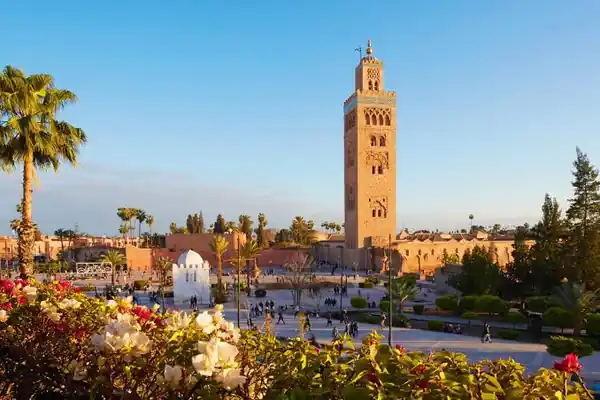
Morocco is one of the most exciting countries in the world to visit. In a few days you can walk in the colorful medinas of Marrakech and Fes, cross the snowy Atlas Mountains, sleep under the stars in the Sahara and relax on the Atlantic coast. But Morocco is also very different from Europe or America, and a little preparation makes your trip much easier.
As a local travel company based in Morocco, we answer the same questions from travelers every day. So we collected the most important facts to know before traveling to Morocco in one simple guide: 30 practical tips about visas, money, culture, transport, safety and more. Read them before you pack, and you will travel like a pro.
The most important facts to know before traveling to Morocco: many nationalities need no visa for up to 90 days, the dirham can only be bought in Morocco, cash is needed in souks and villages, people dress modestly and use the right hand, bargaining is normal, most mosques are closed to non-Muslims, drones are not allowed without a permit, and the desert is far from Marrakech, so plan at least 3 days for a Sahara trip.
Table of Contents: Facts to Know Before Traveling to Morocco
Entry Rules and Money: Facts to Know Before Traveling to Morocco
Let us start with the practical things you need to organize before you even leave home: your documents and your money.
Many travelers do not need a visa
Citizens of the EU, the UK, the USA, Canada, Australia and many other countries can visit Morocco for up to 90 days without a visa. Rules can change, so always check with the Moroccan embassy in your country before you book.
Check your passport
Your passport must be valid for your whole stay, and many travelers keep at least six months of validity to be safe. You will fill in or show your details at passport control when you arrive.
The dirham is a closed currency
The Moroccan dirham (MAD) is a closed currency, so you usually cannot buy it before you travel. Change money at the airport, in banks or exchange offices, or use an ATM. Keep your receipts if you want to change dirhams back before you leave.
Cash is still king
Hotels, big restaurants and modern shops accept cards, but in the souks, small cafes, taxis and villages you need cash. ATMs are easy to find in cities, but rare in the desert and the mountains.
Tipping is part of the culture
Tips are expected for good service: in restaurants (around 10%), for guides, drivers, porters and camp staff. Small coins and notes are always useful.
Culture and Religion
Moroccans are warm, friendly and very proud of their traditions. Understanding a few cultural rules will help you connect with people and avoid small mistakes.
Morocco is a Muslim country
Islam shapes daily life. You will hear the call to prayer five times a day, and Friday is the main prayer day. The official weekend for offices is still Saturday and Sunday.
Ramadan changes the rhythm
During the holy month of Ramadan, Muslims do not eat or drink from sunrise to sunset. Tourist places stay open, but some restaurants close during the day. In 2027, Ramadan is expected around February to early March, depending on the moon.
Most mosques are closed to non-Muslims
Non-Muslims cannot enter most mosques in Morocco. The big exception is the Hassan II Mosque in Casablanca, which offers guided visits for everyone.
Dress modestly
There is no strict dress code for tourists, but covering shoulders and knees is respectful, especially in medinas, villages and religious places. Light, loose clothes are also more comfortable in the sun.
Use your right hand
Moroccans eat, give and receive things with the right hand. If you share a tagine or a couscous from the same plate, eat from the part in front of you.
Ask before taking photos of people
Many Moroccans do not like to be photographed without permission. Always ask first, and be ready that some performers in squares like Jemaa el-Fna ask for a small tip.
Alcohol is available, but discreet
You can buy alcohol in many hotels, bars, licensed restaurants and some supermarkets in big cities. Drinking in public streets is not accepted, and many local restaurants do not serve alcohol.
Mint tea means welcome
Moroccan hospitality is famous. You will be offered sweet mint tea in shops, homes and desert camps. Accepting a glass is polite, even if you only take a few sips.
Practical Everyday Tips
These practical facts to know before traveling to Morocco help with daily life on the road, from your phone to your water bottle.
People speak many languages
The official languages are Arabic and Amazigh (Berber). People speak Moroccan Arabic (Darija) every day, French is very common, and English and Spanish are growing, especially in tourist areas.
Morocco usually uses GMT+1
Morocco normally uses GMT+1, but the clocks go back one hour during Ramadan. Check the time when you book trains, flights and tours in that period.
Plugs and electricity
Morocco uses European plugs (types C and E) and 220 volts. Bring an adapter if you come from the UK, the USA or other countries with different plugs.
Buy a local SIM card
A local SIM or eSIM from Maroc Telecom, Orange or inwi is cheap and easy to buy at the airport or in shops with your passport. 4G works well in cities and on most main roads.
Drink bottled water
Tap water is treated in cities, but most visitors prefer bottled water to avoid stomach problems. Bottled water is cheap and sold everywhere.
Morocco is not always hot
Summer can be very hot, but winter nights are cold in the desert and the Atlas Mountains, with snow on the high peaks. Pack layers, whatever the season.
Do not bring a drone
Drones are strictly controlled in Morocco and are often taken at customs if you do not have a special permit. It is much easier to leave your drone at home.
Getting Around Morocco
Transport in Morocco is improving fast, but some places are still far away and hard to reach on your own.
Trains are fast and comfortable
Morocco has good trains between the big cities, and the Al Boraq high-speed train connects Tangier, Rabat and Casablanca. There are no trains to the Sahara, so you need a car or a tour to reach the desert.
Small and big taxis
In cities, small “petit taxis” carry up to three people. Ask the driver to use the meter or agree on the price before you go. Big “grand taxis” connect towns and are often shared.
Distances are long
Morocco is bigger than many people think. The drive from Marrakech to the Merzouga dunes takes about 9 to 10 hours with stops, so desert trips usually last 3 days or more.
Driving needs patience
You can rent a car with your national license, but city traffic, mountain roads and police checkpoints can be stressful. Many travelers prefer a private driver who knows the roads.
Want to see the desert without the stress of driving? Our private tours start in Marrakech, Fes, Casablanca and Tangier. For example, our 3 days desert tour from Marrakech takes you over the Atlas to the Merzouga dunes with a local driver. Read also how far the Sahara desert is from Marrakech.
Shopping and Avoiding Scams
Shopping in the souks is one of the most fun things to do in Morocco, but it helps to know the rules of the game.
Bargaining is normal
In the souks, prices are not fixed. Smile, stay friendly, offer a lower price and meet in the middle. Only start bargaining if you really want to buy.
Watch out for fake guides
In the medinas, some people offer to show you the way and then ask for money, or tell you that a street is “closed”. Politely say no, use a map app, or book an official guide.
Be careful with henna
Ladies with henna in big squares sometimes start drawing on your hand without asking and then ask for a high price. If you want henna, agree on the price first, and avoid “black henna”, which can hurt the skin.
Safety and Health
Morocco is generally safe
Morocco is one of the most visited countries in Africa and is generally safe for tourists, including families and women. Use normal care with your bag and phone in crowded places.
Know the emergency numbers
Police: 19. Ambulance and fire: 15. Royal Gendarmerie (outside cities): 177. Your hotel or guide can also help you quickly.
Take travel insurance
Medical care is good in big cities, but private clinics can be expensive. Travel insurance that covers health and activities like camel rides or quad biking is a smart choice.
Fun Facts About Morocco
Not all facts to know before traveling to Morocco are practical. Here are a few fun facts to share with your friends:
- Two seas: Morocco has coasts on both the Atlantic Ocean and the Mediterranean Sea.
- Very high mountains: Mount Toubkal in the High Atlas rises to 4,167 meters, the highest peak in North Africa.
- A very old university: the University of Al Quaraouiyine in Fes was founded in 859 and is often called the oldest existing university in the world.
- A car-free city: the old medina of Fes is one of the largest car-free urban areas in the world. Donkeys still carry goods in the narrow streets.
- A movie star country: many famous films and series were shot around Ouarzazate and Ait Ben Haddou, the “Hollywood of Africa”.
- Golden dunes: the Erg Chebbi dunes near Merzouga rise to around 150 meters and change color from gold to orange to pink during the day.
Learn more about the country in this general article about Morocco.
When Is the Best Time to Visit Morocco?
Spring (March to May) and autumn (September to November) are the best seasons for most travelers, with warm days and cool nights. Summer is great on the coast but very hot in Marrakech and the desert. Winter is sunny and quiet, with cold nights in the Sahara and snow in the mountains.
For more details, read our guide to the best time to go to Morocco and our article on the Sahara desert in December.
What to Pack for Morocco
- Light, loose clothes that cover shoulders and knees
- A warm jacket or fleece for desert nights and the mountains
- Comfortable walking shoes for the medinas
- Sunglasses, a hat and sunscreen
- A scarf: useful against sun, dust and for visiting religious places
- A plug adapter (types C and E) and a power bank
- Some small cash for tips, taxis and the souks
- A small backpack for one night in a desert camp
Frequently Asked Questions
Do I need a visa to travel to Morocco?
Citizens of the EU, the UK, the USA, Canada, Australia and many other countries can stay up to 90 days without a visa. Always check the latest rules with the Moroccan embassy before you travel.
Is Morocco safe for tourists?
Yes. Morocco is generally safe and welcomes millions of tourists every year. Normal travel care with your belongings is enough in most places.
Can women travel alone in Morocco?
Yes, many women travel alone or in small groups. Dressing modestly, ignoring unwanted comments and using trusted drivers and guides makes the trip easier.
What language should I learn before traveling to Morocco?
A few words of Moroccan Arabic, like salam (hello) and shukran (thank you), are always appreciated. French is also very useful. Read more in our guide: what language is spoken in Morocco.
Can I use euros or dollars in Morocco?
Some hotels and tour companies accept euros, but for daily life you need Moroccan dirhams.
How many days do I need in Morocco?
One week is a good start to see Marrakech, the Atlas Mountains and the Sahara. With 10 to 14 days you can add Fes, Chefchaouen and the coast.
Conclusion
Now you know the most important facts to know before traveling to Morocco. With the right papers, some cash in your pocket, respect for local customs and a little patience, you are ready for an unforgettable adventure in a country full of colors, flavors and kind people.
If you want a stress-free trip, our local team can plan everything for you: private transport, hand-picked riads and desert camps, and friendly drivers who know every road. Contact us or see our Morocco itineraries to start planning.
contact us
Click any destination below to preview the complete itinerary
- 2 Days Desert Tour from Marrakech to Merzouga
- 2 Days Desert Tour from Marrakech to Fes
- 3 Days Desert Tour from Marrakech to Merzouga
- 3 Days Desert Tour from Marrakech to Fes
- 4 Days Desert Tour from Marrakech to Merzouga
- 5 Days Desert Tour from Marrakech to Merzouga
- 5 Days Sahara Desert Tour from Marrakech
- 6 Days Desert Tour from Marrakech to Csablanca
- 7 Days Desert Tour from Marrakech to Casablanca
- 8 Days Morocco Tour From Marrakech
- 10 Days Morocco Tour From Marrakech
- 12 Days Morocco Tour From Marrakech