
Moroccan Dirham: Easy Money Guide for Morocco

The Moroccan dirham is the official money of Morocco, and knowing how it works will save you stress, time and money on your trip. From the souks of Marrakech to a small cafe in the Sahara, cash is still king in most of the country.
In this simple guide, our local team explains everything about the Moroccan dirham: the notes and coins, where to change money, how to use ATMs and cards, tipping, bargaining and the mistakes many travelers make. Read it before you land and you will feel like a local from day one.
Moroccan Dirham at a Glance
| Fact | Details |
|---|---|
| Name | Moroccan dirham |
| Code | MAD |
| Symbol | DH or Dhs (and د.م. in Arabic) |
| Small unit | 1 dirham = 100 centimes |
| Central bank | Bank Al-Maghrib |
| Type | Closed currency: you can only get it inside Morocco |
What Is the Moroccan Dirham?
The Moroccan dirham (MAD) has been the money of Morocco since 1960, when it replaced the old Moroccan franc. The word «dirham» comes from the Greek drachma, a coin used across the old Mediterranean world. Today the Moroccan dirham is managed by Bank Al-Maghrib, the central bank of Morocco.
One important thing to know: the Moroccan dirham is a closed currency. This means you cannot officially buy it before your trip or take large amounts out of the country. You get your dirhams when you arrive in Morocco, and you change back what is left before you fly home.
Moroccan Dirham Notes and Coins
You will use both notes and coins every day. Here is what you will find in your wallet:
Banknotes
- 20 dirhams: the smallest note, perfect for taxis, snacks and small tips
- 50 dirhams: useful for lunches and small shopping
- 100 dirhams: the most common note from ATMs
- 200 dirhams: the biggest note, good for hotels and bigger buys
All notes show King Mohammed VI and Moroccan symbols. Each value has its own color and size, so they are easy to tell apart.
Coins
- Centimes: 10 and 20 centimes (you will rarely use them)
- Dirham coins: 1/2, 1, 2, 5 and 10 dirhams
Keep a few coins for public toilets, parking guards, small tips and mint tea at a street stall.
Talking About Money Like a Local
Here is a fun fact that confuses many visitors. Moroccans often count money in rials or francs, old units that do not exist anymore. In many places, 1 dirham is said to be 20 rials. So if a seller in the souk says «two hundred rials», he may mean 10 dirhams!
Do not worry. Simply ask «how many dirhams?» and people will be happy to tell you the price in Moroccan dirham.
Where to Change Money in Morocco
You have several easy options to get the Moroccan dirham when you arrive:
At the Airport
All big airports, like Marrakech Menara, Casablanca Mohammed V and Fes Saiss, have exchange offices and ATMs in the arrival hall. Change a small amount here for your first taxi and dinner.
Exchange Offices in Town
Look for signs saying «Bureau de Change». In Marrakech, there are many around Jemaa el-Fna and in Gueliz. Their rates are fixed by law within a small range, so they are often as good as the banks and faster.
Banks
Banks like Attijariwafa, BMCE (Bank of Africa), CIH and Banque Populaire change money too. Bring your passport, as they will ask for it.
Hotels and Riads
Some hotels can change money for guests, but the rate is usually not as good.
Tip: keep your exchange receipts. You will need them if you want to change your Moroccan dirhams back into euros or dollars at the end of your trip.
Using ATMs in Morocco
ATMs are the easiest way to get the Moroccan dirham. You will find them in all cities and towns, at airports, train stations and big shopping streets. They work with Visa, Mastercard and most international cards, and the menus are in French, Arabic and often English.
- Use ATMs inside or next to a bank, in daytime, when you can.
- Tell your bank at home that you are traveling to Morocco.
- When the screen offers to convert the amount to your home currency, choose to be charged in MAD. It is usually cheaper.
- Check your bank’s foreign withdrawal fees before you travel.
- In small desert villages, ATMs are rare. Take out enough cash in a big town first.
Can You Pay by Card in Morocco?
Cards are accepted in many hotels, big restaurants, supermarkets, malls and some shops in the cities. But in the souks, small cafes, taxis, local markets and most villages, you will need cash in Moroccan dirham.
Our advice: use your card for hotels and big bills, and always carry enough cash for the day. In the desert, around Merzouga and the Sahara camps, cash is almost always needed.
Can You Pay with Euros or Dollars?
Some tourist shops and hotels accept euros, and a few accept US dollars. But the rate they give you is rarely good, and you may get your change in dirhams. It is better and cheaper to pay in the local Moroccan dirham everywhere you go.
How Much Cash Should You Carry?
This depends on your travel style, but a simple rule helps: carry what you need for one or two days, and keep the rest safe in your hotel. Split your money between your wallet and a second place, like a hidden pocket. Small notes (20 and 50 dirhams) are very useful, because small shops often do not have change for a 200-dirham note.
Tipping with the Moroccan Dirham
Tipping is a normal part of life in Morocco and a nice way to say thank you. Here are some simple ideas:
- Cafes and restaurants: leave a few coins or round up the bill; in nicer restaurants about 10%.
- Porters and hotel staff: a small note for help with your bags.
- Local guides, drivers and camel men: a tip at the end of the tour if you are happy with the service.
- Hammam attendants and parking guards: a few dirhams.
Read more in our guide facts to know before traveling to Morocco.
Bargaining in the Souks
In the markets, prices are often not fixed. Bargaining is part of the culture, and it should be friendly and fun. Start by asking the price in Moroccan dirham, offer a lower number with a smile, and slowly meet in the middle. If you do not agree, say thank you and walk away politely. Visit the famous Marrakesh market with this in mind and you will enjoy every moment.
Common Money Mistakes to Avoid
- Bringing only cards and no cash for the desert or the mountains.
- Changing all your money at the airport at once.
- Accepting the «home currency» conversion at ATMs.
- Carrying only big 200-dirham notes.
- Throwing away exchange receipts.
- Showing a lot of cash in busy places.
Changing Moroccan Dirham Back Before You Leave
Because the Moroccan dirham is a closed currency, it is hard to change it outside Morocco. Spend your coins before you leave, and change your extra notes back at the airport exchange office before security. Bring your exchange receipts and passport, as you may need them. Travelers may take only a limited amount of dirhams out of the country, so do not keep large sums.
Money Tips for a Desert Tour
On a private desert tour, most things are planned for you, but you will still need some Moroccan dirham for drinks, lunches, souvenirs, tips and small extras. Take out cash in Marrakech, Ouarzazate or Fes before heading to the dunes, because ATMs in Merzouga are few. When you book with us, we tell you what is included so you can plan your cash easily. Ask us for a free quote for your trip.
Frequently Asked Questions
What is the currency of Morocco?
The currency of Morocco is the Moroccan dirham, with the code MAD.
Can I buy Moroccan dirham before my trip?
Usually no. The Moroccan dirham is a closed currency, so you get it after you arrive, at the airport, a bank, an exchange office or an ATM.
Is it better to bring euros or dollars to Morocco?
Both are easy to change. Euros are a little more common, but you can also simply use ATMs with your card.
Are ATMs safe in Morocco?
Yes, in general. Use ATMs at banks in daytime and cover the keypad, as you would at home.
Do I need cash in the Sahara?
Yes. Cash in Moroccan dirham is needed for drinks, tips and small purchases, and ATMs are rare in desert villages.
Final Thoughts on the Moroccan Dirham
Using the Moroccan dirham is easy once you know the basics: get cash from ATMs or exchange offices, carry small notes, keep your receipts and pay in local money. With these simple tips, you can relax and enjoy the souks, the mountains and the golden dunes of the Sahara. Need help planning? Contact our local team for a free quote.
Explore our Morocco trips:
Tours from Marrakech: Cross the High Atlas to Ait Ben Haddou, the Todra Gorge and the dunes of Erg Chebbi.
Tours from Fes: Ride through the cedar forests of the Middle Atlas to the Sahara.
Tours from Casablanca: Discover the imperial cities, the mountains and the desert in one trip.
Contact us
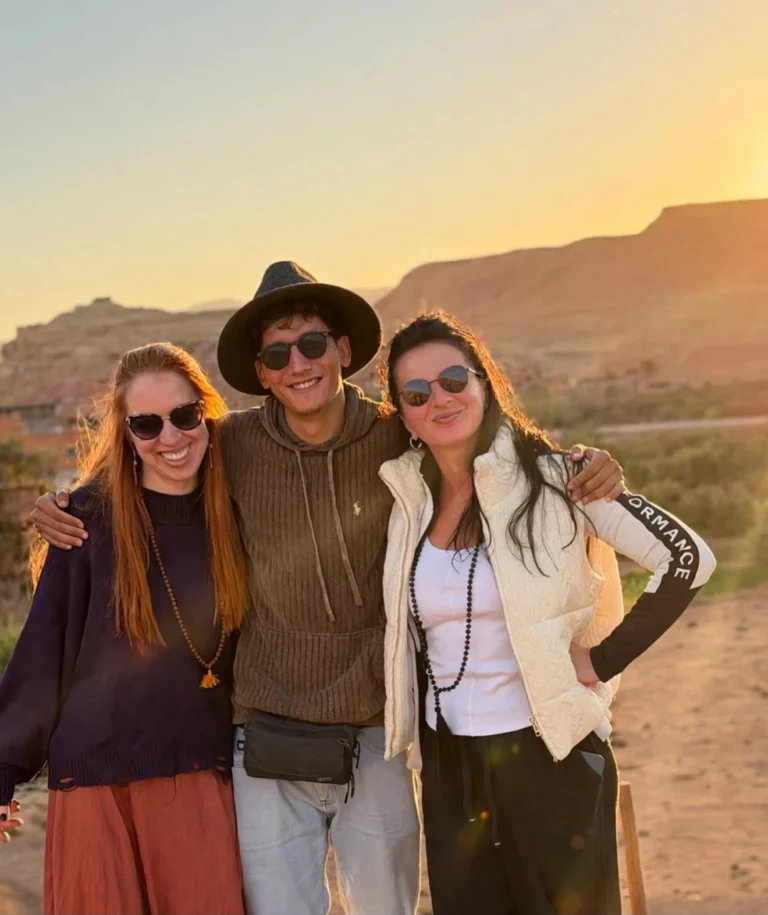
Your Local Experts
Ibrahim and our Moroccan team plan your trip with care. Whether you land in Marrakech, Fes, Casablanca, Tangier, Rabat, Agadir or Ouarzazate, we pick you up and shape each day around what you love.
Plan Your Trip
Click any destination to see more: